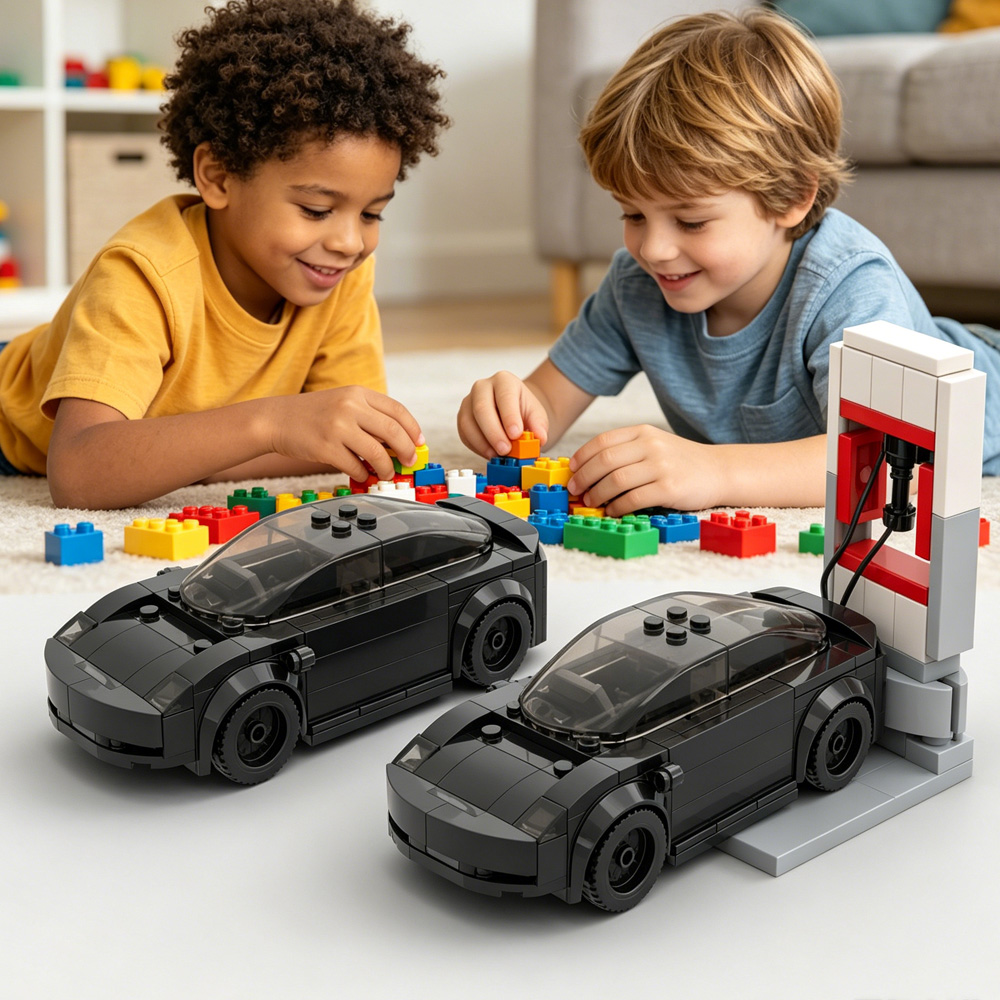
How to Build a LEGO Technic Supercar: Complete Advanced Tutorial
Building a LEGO Technic supercar represents the pinnacle of advanced brick construction, combining engineering precision with creative design. This comprehensive tutorial will guide you through creating a high-performance model that showcases authentic automotive features like working suspension, steering mechanisms, and detailed engine components.
Key Takeaways:
- Plan your supercar design with reference images and technical specifications
- Start with a sturdy chassis foundation using Technic beams and connectors
- Install functional components like steering, suspension, and drivetrain systems
- Focus on authentic proportions and aerodynamic bodywork details
- Test and refine mechanical functions throughout the build process
What You'll Need to Build Your LEGO Technic Supercar
Before diving into how to build a LEGO Technic supercar, gather these essential components and tools for a successful build:
- Technic Beams: Various lengths (3, 5, 7, 9, 11, 13, 15 studs) in black and gray
- Connectors: Pins, axles, bushings, and angular connectors
- Gears and Differentials: For drivetrain functionality
- Wheels and Tires: Low-profile racing wheels with rubber tires
- Steering Components: Steering wheel, rack, and linkages
- Suspension Elements: Shock absorbers and spring assemblies
- Panels and Bodywork: Curved and angled panels for aerodynamic styling
- Motor Components: If building a motorized version
- Reference Materials: Photos and technical drawings of real supercars
- Building Tools: Brick separator and organization containers
Advanced Technic Building Techniques for Supercar Construction
Mastering advanced Technic techniques is crucial for creating an authentic supercar. The key lies in understanding structural engineering principles and translating them into LEGO form. Professional builders emphasize the importance of creating a rigid chassis that can support complex mechanical systems while maintaining scale proportions.
Start by studying real supercar architecture. Modern supercars like the McLaren P1 or Ferrari LaFerrari use carbon fiber monocoques for maximum strength and minimum weight. In Technic terms, this translates to using interconnected beam structures that distribute stress evenly throughout the frame.
Consider incorporating elements from premium building kits to enhance your design. The Motorized LSX454 V8 Engine Building Kit provides authentic engine components that can serve as inspiration for your supercar's powerplant, even if you're building a static model.
Step-by-Step Supercar Building Process
- Design your chassis foundation: Begin with a central spine using 15-stud beams connected with perpendicular cross-braces. This creates the structural backbone that will support all other components. The chassis must be both rigid and lightweight, mimicking real supercar engineering principles.
- Install the drivetrain system: Mount your differential and gear assembly at the rear of the chassis. Connect drive axles to the differential outputs and ensure proper gear ratios for realistic performance. Test the drivetrain by hand-turning the input shaft to verify smooth operation.
- Build the suspension system: Attach independent suspension components to each wheel mounting point. Use Technic shock absorbers and create A-arm suspension geometry for authentic movement. Proper suspension ensures your model can handle uneven surfaces while maintaining realistic wheel alignment.
- Construct the steering mechanism: Install a rack-and-pinion steering system connecting the front wheels to a centrally-mounted steering wheel. Use universal joints and steering links to create responsive steering that mirrors real automotive systems. Test the steering range to ensure full lock-to-lock movement.
- Shape the aerodynamic bodywork: Begin with the nose cone using curved panels and slopes to create downforce-generating surfaces. Work backward along the body, maintaining proper proportions and ensuring panels align with the chassis mounting points. Pay special attention to side air intakes and rear wing elements.
- Add detailed interior components: Install a racing seat, roll cage structure, and dashboard elements. Use small Technic elements to create switches, gauges, and control systems. The interior should reflect the stripped-down, performance-focused nature of a real supercar.
- Install lighting and finishing details: Add headlight and taillight assemblies using transparent elements. Create brake disc details behind the wheels and add exhaust pipe elements at the rear. These finishing touches transform your build from a mechanical assembly into a convincing supercar replica.
- Test all mechanical functions: Verify that steering, suspension, and drivetrain systems operate smoothly. Make adjustments to eliminate binding or excessive play in moving parts. A well-functioning Technic supercar should demonstrate the same mechanical sophistication as its real-world counterpart.
Essential Mechanical Systems for Realistic Performance
The heart of any exceptional Technic supercar lies in its mechanical systems. Unlike simple brick builds, advanced Technic models require functioning drivetrain, suspension, and steering components that work together harmoniously.
The drivetrain system forms the foundation of your supercar's performance characteristics. Real supercars often feature mid-engine layouts for optimal weight distribution, which you can replicate using compact gear assemblies positioned behind the driver compartment. Consider studying the engineering approach used in the Mould King RC Motorized Off-Road Car Kit for insights into effective power transmission systems.
Suspension design significantly impacts both appearance and functionality. Independent suspension systems using A-arms or MacPherson struts provide the most realistic movement and can be adapted to Technic construction using angular connectors and pivot points. The suspension should compress and extend smoothly while maintaining proper wheel alignment throughout its travel range.
Professional Finishing Techniques and Detail Work
Achieving a professional-quality finish requires attention to detail that goes beyond basic construction. Color coordination plays a crucial role in creating visual impact – consider using a consistent color scheme that reflects real supercar aesthetics. Many builders prefer classic combinations like black with red accents or silver with blue highlights.
Panel gaps and alignment separate amateur builds from professional-quality models. Take time to ensure all bodywork panels align properly and maintain consistent spacing. Use half-stud offsets and bracket techniques to achieve precise panel positioning that mirrors real automotive manufacturing tolerances.
Surface detailing adds authenticity to your supercar model. Create realistic air vents using grille elements, add brake disc details behind wheels, and incorporate exhaust system components. These details should serve both aesthetic and functional purposes when possible.
Common Mistakes to Avoid When Building Technic Supercars
Even experienced builders can fall into common traps when constructing complex Technic supercars. Understanding these pitfalls helps ensure your project succeeds:
- Weak chassis construction: Insufficient cross-bracing leads to flexible frames that can't support mechanical components properly
- Gear binding: Misaligned gears cause excessive friction and prevent smooth drivetrain operation
- Incorrect proportions: Failing to maintain proper scale relationships results in unrealistic appearance
- Overcomplicating mechanisms: Adding unnecessary complexity can reduce reliability and increase build difficulty
- Inadequate testing: Not testing mechanical functions during construction leads to problems that are difficult to fix later
- Poor color coordination: Random color choices create visual chaos instead of cohesive design
- Ignoring structural limits: Pushing Technic elements beyond their design limits causes failure under stress
Advanced Customization Options and Modifications
Once you've mastered basic supercar construction, numerous customization options allow you to create unique variants. Consider incorporating motorization using Power Functions or newer Powered Up systems. The Mercedes V8 Engine Motorized Building Kit demonstrates sophisticated motorization techniques that can inspire your own powered supercar projects.
Remote control functionality adds another dimension to your supercar experience. RC systems allow you to test your creation's performance characteristics while showcasing its mechanical sophistication. Consider studying the design approaches used in premium RC building sets to understand effective integration techniques.
Custom livery and racing details help differentiate your supercar from standard builds. Create sponsor decals using printed elements, add racing numbers, and incorporate aerodynamic modifications like front splitters and rear diffusers. These modifications should enhance both visual appeal and functional authenticity.
Ready to Start Your Supercar Build?
Learning how to build a LEGO Technic supercar requires patience, planning, and attention to detail, but the results justify the effort invested. Your completed model will showcase advanced engineering principles while providing hands-on experience with automotive systems and design concepts.
Ready to begin your supercar project? Explore our complete collection of premium building kits to find the perfect components and inspiration for your next advanced Technic build. Whether you're seeking specific mechanical elements or complete motorized systems, our curated selection provides everything needed to create exceptional supercar models that rival professional builds.
Shop products from this guide
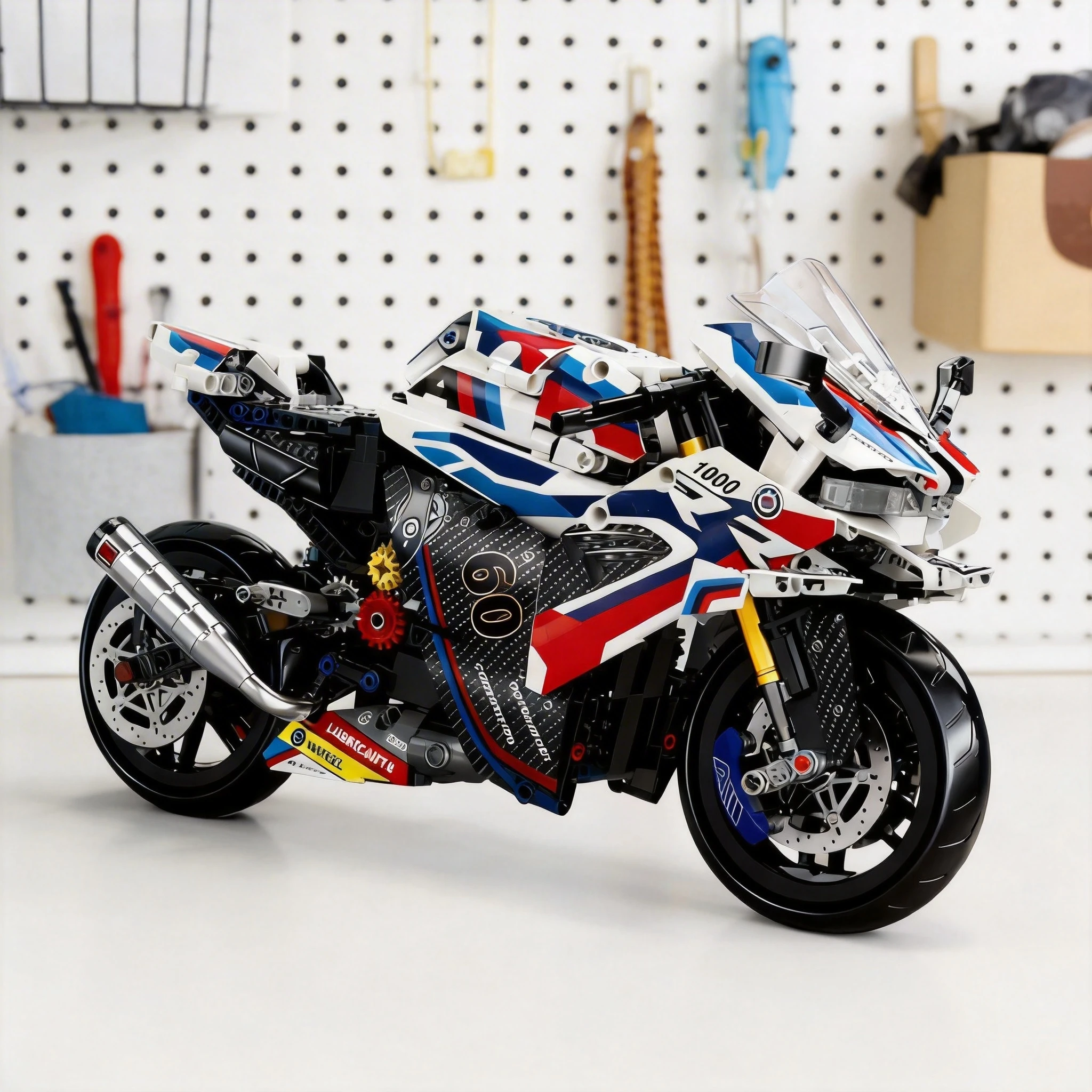
BrickForge 1:8 Motorcycle Building Block Kit - Technical Model
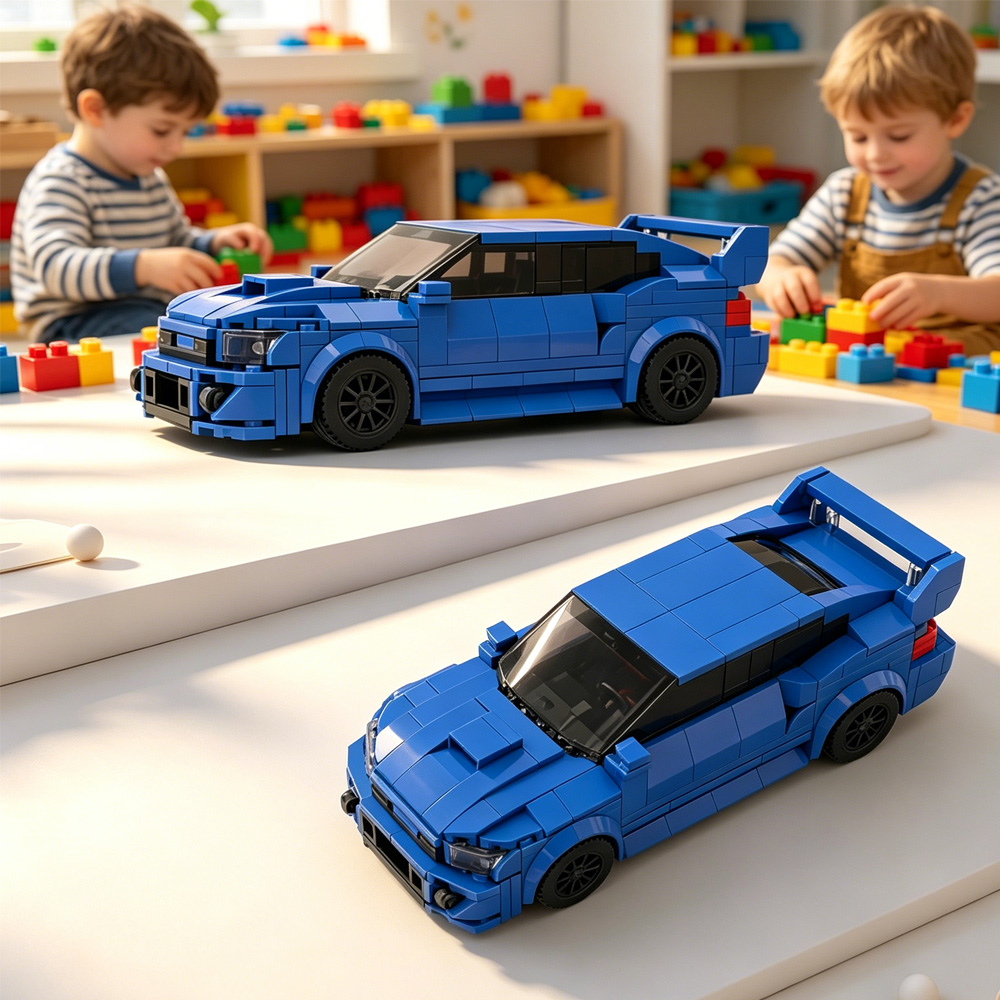
BrickForge JDM Rally Sports Sedan — 303-Piece Building Block Kit
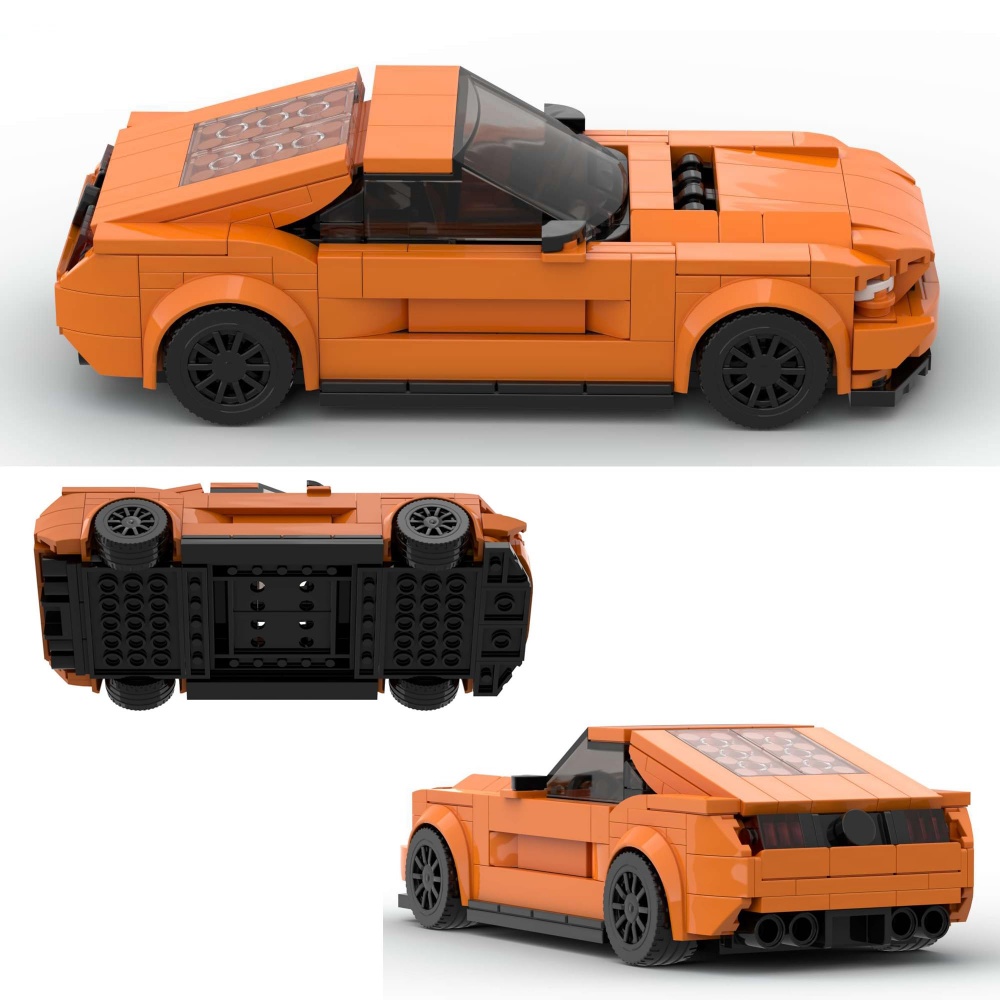
BrickForge Orange Muscle Car — 348-Piece Building Block Kit

BrickForge Police Sports Car — 318-Piece Building Block Kit with Light Bar
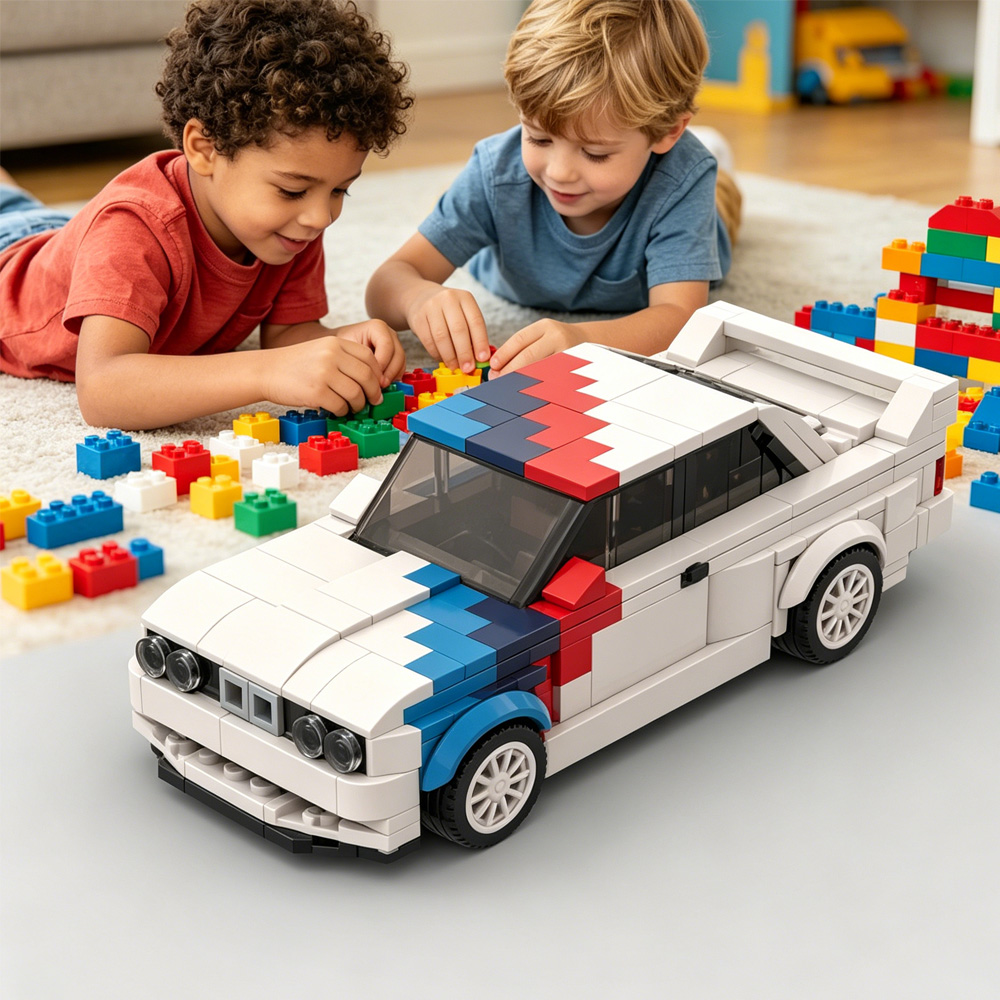
BrickForge White Race Car — 355-Piece Motorsport Building Block Kit