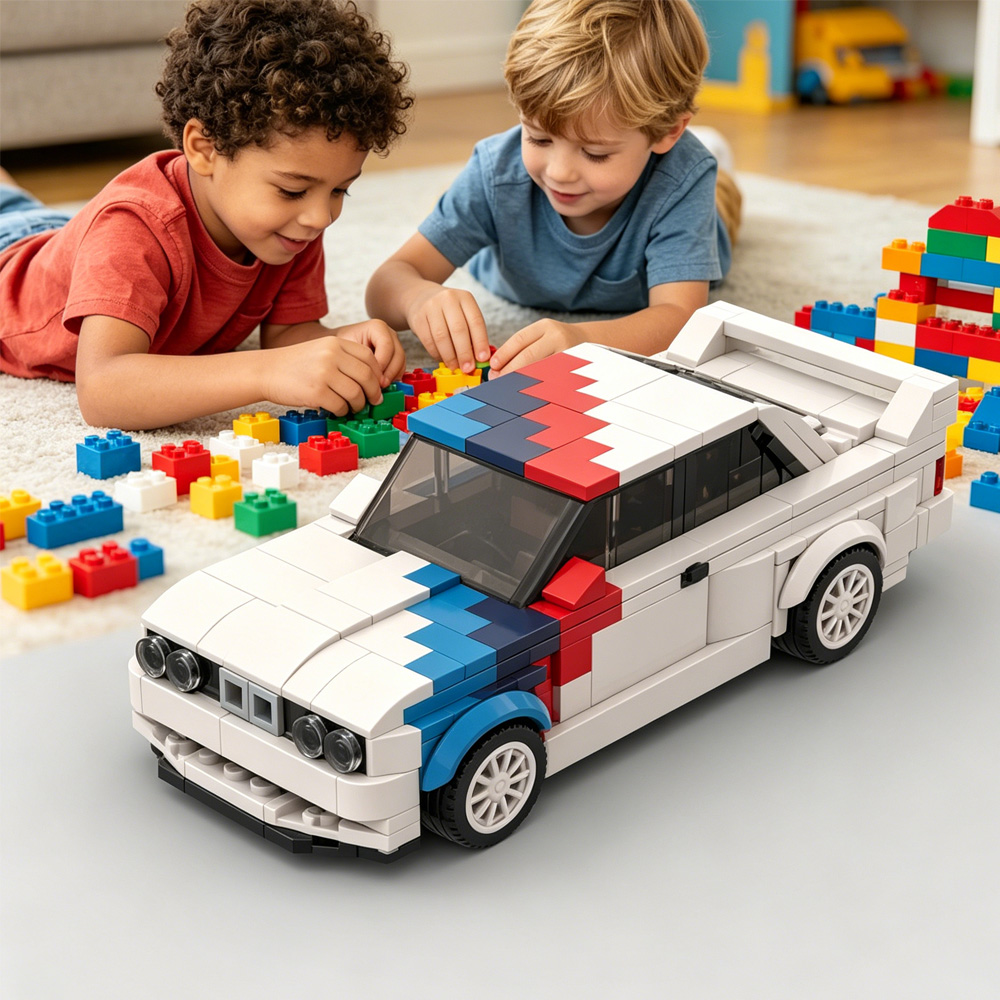
Motorized Engine Building Blocks: Why Adults Love Working Models
The satisfying click of precision-engineered blocks coming together, the anticipation of powering up your creation, and the mesmerizing sight of pistons moving in perfect synchronization—motorized engine building blocks have captured the imagination of adult builders worldwide. These sophisticated technical models combine the meditative joy of construction with the thrill of engineering functional, moving mechanisms.
Key Takeaways:
- Motorized engine models offer stress relief and cognitive benefits for adult builders
- Working engines teach real mechanical principles through hands-on construction
- Premium kits feature authentic details like moving pistons, rotating crankshafts, and LED lighting
- Building complexity ranges from beginner V8 engines to advanced turbojet models
- These models make impressive display pieces that actually demonstrate engine operation
What Makes Motorized Engine Building Blocks So Appealing to Adults?
Adult fascination with motorized engine building blocks stems from a perfect convergence of nostalgia, learning, and accomplishment. Unlike static models, these kits create functional replicas that demonstrate real mechanical principles. When you complete a motorized V8 engine model, you're not just admiring a sculpture—you're watching pistons fire in sequence, crankshafts rotate, and cooling fans spin, all powered by precision motors.
The appeal goes deeper than mere entertainment. These builds offer what psychologists call "flow state"—that focused, meditative condition where time seems to disappear. The methodical process of following complex instructions, problem-solving assembly challenges, and gradually seeing a sophisticated machine take shape provides a powerful counterbalance to our digital-heavy daily lives.
Many adult builders report that working with these technical models helps them understand automotive and aerospace engineering concepts they've always been curious about. Building a turbojet engine model, for instance, makes the principles of jet propulsion tangible in ways that textbooks simply cannot match.
The Engineering Marvel Behind Working Engine Models
Modern motorized engine building blocks represent remarkable feats of miniaturization and engineering. Premium manufacturers like Mould King have developed intricate gear systems, authentic piston arrangements, and synchronized motor controls that accurately replicate full-scale engine operation.
Take a typical V8 engine model: it features eight individual pistons connected to a rotating crankshaft, complete with connecting rods that move in the precise firing order of a real engine. The Mercedes V8 engine model even includes detailed valve trains, intake manifolds, and exhaust headers that mirror the actual Mercedes-AMG powerplant.
The technical sophistication extends to specialized components like:
- Precision gear ratios that ensure realistic piston speeds and crankshaft rotation
- LED lighting systems that simulate spark plug firing or engine bay illumination
- Sound modules in some models that produce authentic engine audio
- Remote control functionality for starting, stopping, and varying engine speed
- Transparent engine blocks that showcase internal component movement
These features transform static building experiences into dynamic demonstrations of mechanical engineering principles.
Stress Relief and Cognitive Benefits of Technical Building
Research consistently shows that hands-on building activities provide significant mental health benefits for adults. The process of constructing motorized engine building blocks engages multiple cognitive systems simultaneously—spatial reasoning, sequential processing, fine motor skills, and problem-solving—creating what neuroscientists call a "cognitive workout."
The repetitive, methodical nature of block assembly triggers the release of endorphins and reduces cortisol levels, providing natural stress relief. Many builders describe entering a zen-like state during long building sessions, where work pressures and daily anxieties fade into the background.
Building complex technical models also exercises executive function skills that remain sharp throughout life. Following multi-step instructions, managing hundreds of small components, and troubleshooting assembly issues all contribute to cognitive flexibility and attention to detail.
For many adults, these builds represent a form of "productive procrastination"—a guilt-free way to step away from screens and engage in tactile, creative work that yields tangible results.
From V8 Powerplants to Turbojet Engines: Exploring Model Complexity
The world of motorized engine models spans an impressive range of complexity and subject matter. Beginners might start with straightforward automotive engines that teach basic four-stroke principles, while experienced builders can tackle sophisticated aerospace models that demonstrate jet propulsion physics.
Automotive engine models remain the most popular category, offering familiar mechanical concepts in highly detailed packages. A LSX454 V8 engine model provides an excellent introduction to internal combustion principles, featuring clearly visible piston movement, realistic valve timing, and authentic engine block proportions.
For those seeking greater challenges, aviation engine models push the boundaries of miniaturization and complexity. The turbojet engine model features multiple compressor stages, a combustion chamber with LED flame effects, and a spinning turbine section that demonstrates the jet propulsion cycle.
Industrial engine models offer yet another dimension, showcasing the massive powerplants found in ships, generators, and heavy equipment. These builds often feature multiple cylinders, complex cooling systems, and industrial-grade detailing that appeals to builders with professional engineering backgrounds.
Display Value and Conversation Starters
Completed motorized engine models serve as impressive display pieces that never fail to captivate visitors. Unlike traditional static models, these working engines invite interaction and demonstration. Guests can watch pistons fire, observe gear trains in motion, and appreciate the engineering sophistication that goes into both the real engines and their miniature replicas.
The educational value extends beyond the builder to everyone who encounters these models. Children become fascinated by the visible mechanical action, often asking questions about how real engines work. Engineering colleagues appreciate the technical accuracy and attention to detail. Even non-technical visitors find themselves drawn to the mesmerizing motion of synchronized mechanical components.
Many builders create dedicated display areas with proper lighting and rotation capabilities, allowing their engine models to serve as functional kinetic sculptures. The combination of technical accuracy, visual appeal, and interactive demonstration makes these models conversation pieces that never lose their fascination.
Choosing Your First Motorized Engine Building Project
Selecting an appropriate first motorized engine building project requires balancing personal interests, technical complexity, and available time. Consider your mechanical background, building experience, and the type of engine that most interests you.
Automotive enthusiasts might gravitate toward classic car engines or modern performance powerplants. The detailed instruction manuals typically included with premium kits provide excellent learning opportunities about engine design and operation principles.
Those interested in aviation or aerospace might prefer jet engine models that demonstrate different propulsion principles. These builds often feature more complex assembly sequences but reward builders with sophisticated mechanical demonstrations.
Consider factors like:
- Part count and complexity - Models range from 500 to over 3000 pieces
- Motor and electronics requirements - Some models include everything needed, others require separate purchases
- Display space requirements - Engine models can be quite substantial when completed
- Building time commitment - Complex models may require 20-40 hours of assembly time
Starting with a moderately complex automotive engine provides an excellent balance of challenge and achievability for most adult builders.
Ready to Start Your Motorized Engine Building Journey?
The world of motorized engine building blocks offers endless opportunities for learning, relaxation, and mechanical fascination. Whether you're drawn to the rumbling power of V8 engines, the precision of turbojet propulsion, or the industrial might of heavy equipment powerplants, there's a model that will capture your imagination and challenge your building skills.
These sophisticated technical models represent far more than simple toys—they're educational tools, stress-relief mechanisms, and impressive display pieces all rolled into one engaging package. The combination of hands-on construction, mechanical learning, and the satisfaction of creating something that actually works makes motorized engine building blocks an ideal hobby for curious, technically-minded adults.
Explore our complete collection of premium motorized engine models and technical building kits to find the perfect project for your next building adventure. From classic automotive powerplants to cutting-edge aerospace engines, discover the mechanical marvels waiting to be built.
Shop products from this guide
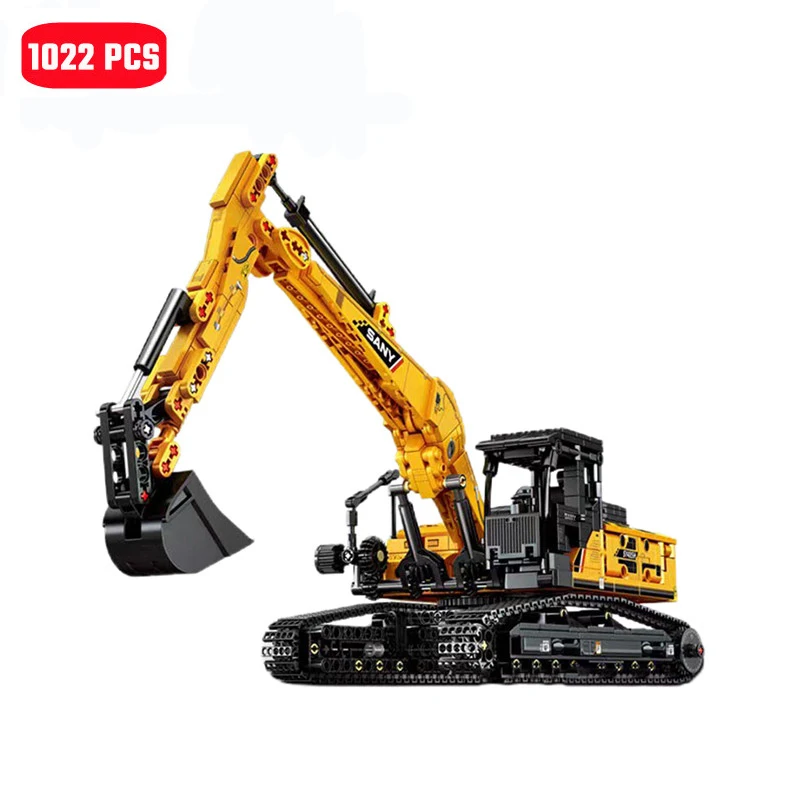
SEMBO 1022pcs Excavator MOC Building Set - Premium Quality
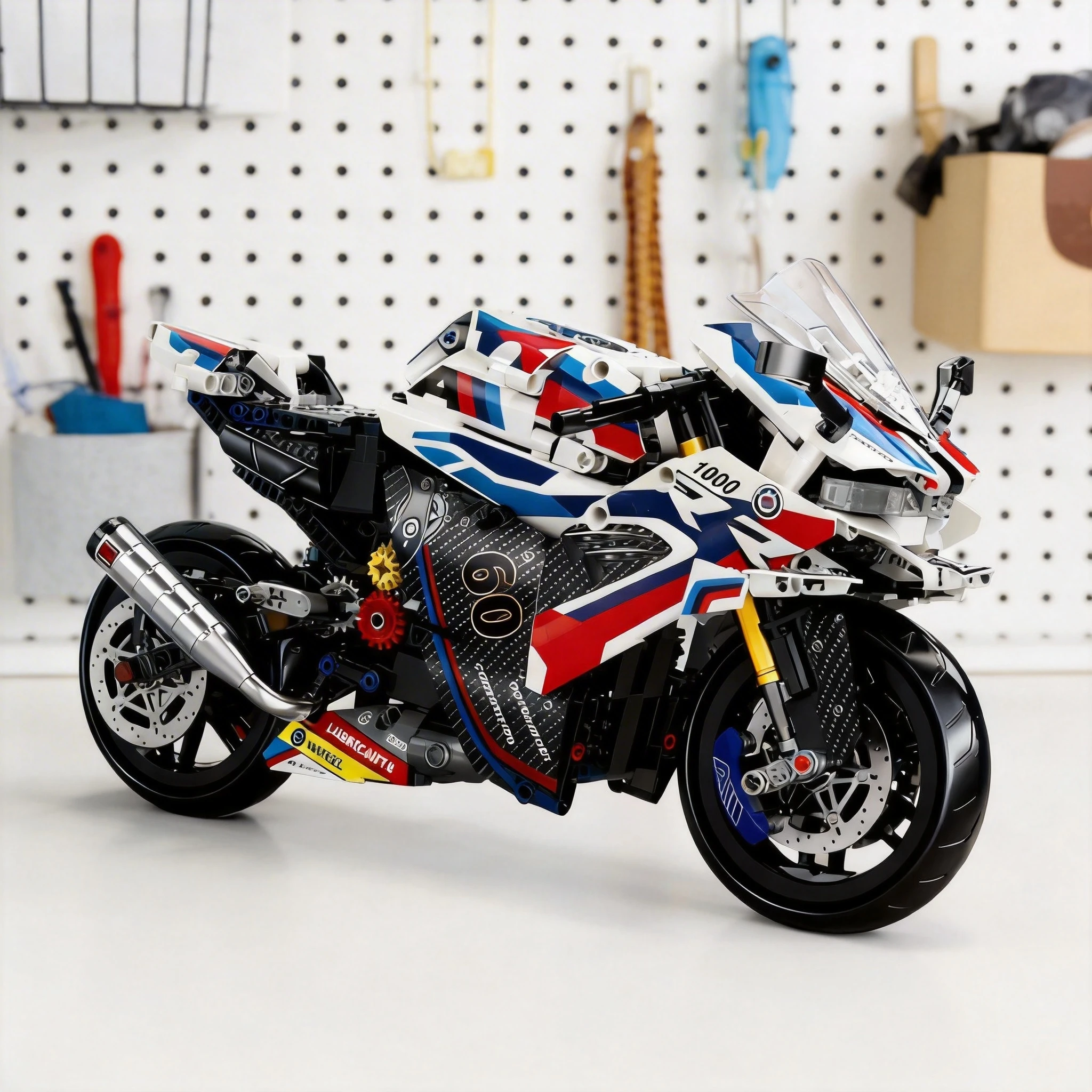
BrickForge 1:8 Motorcycle Building Block Kit - Technical Model
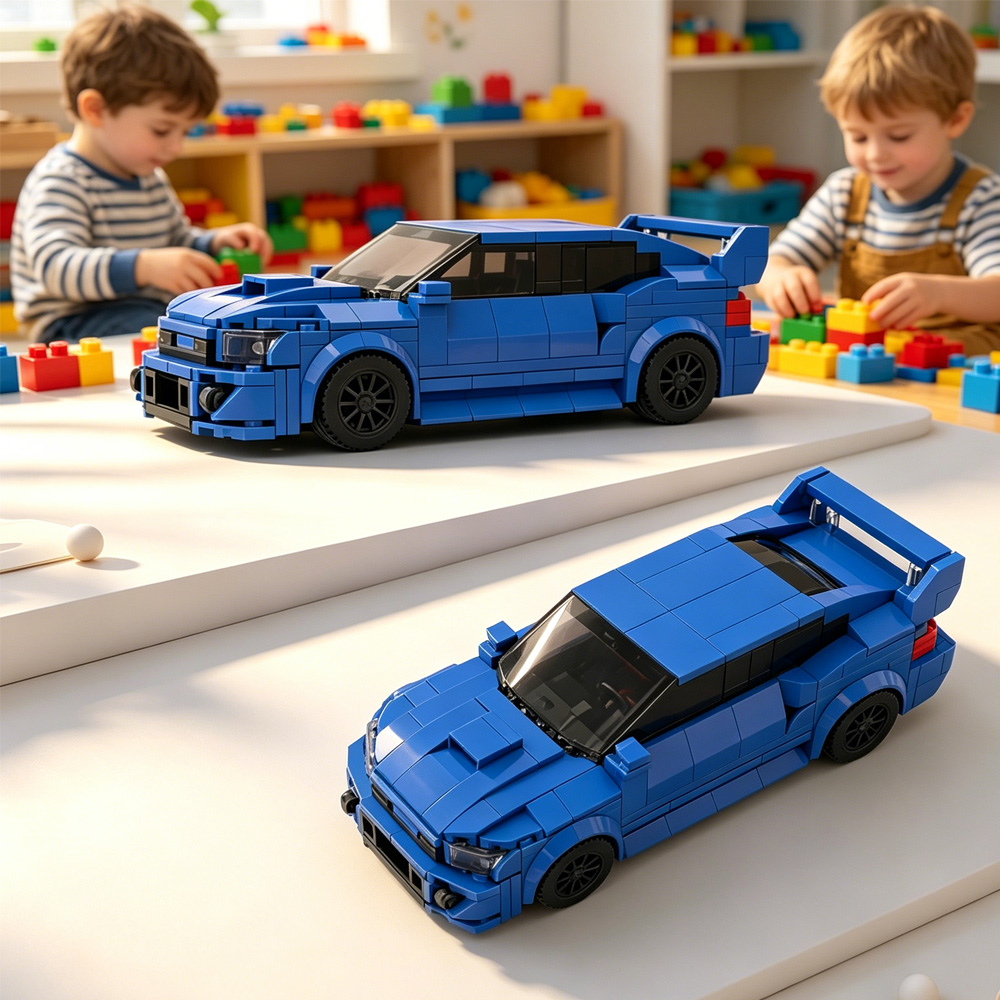
BrickForge JDM Rally Sports Sedan — 303-Piece Building Block Kit
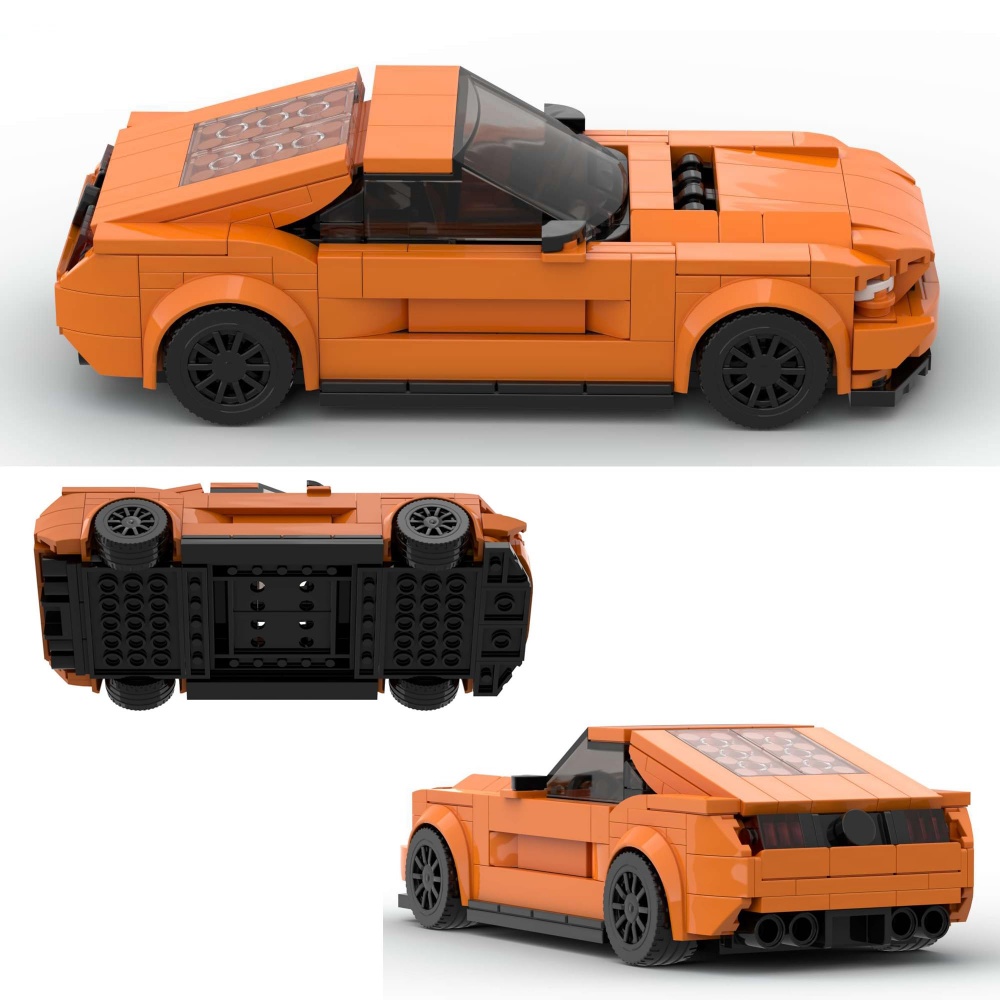
BrickForge Orange Muscle Car — 348-Piece Building Block Kit

BrickForge Police Sports Car — 318-Piece Building Block Kit with Light Bar