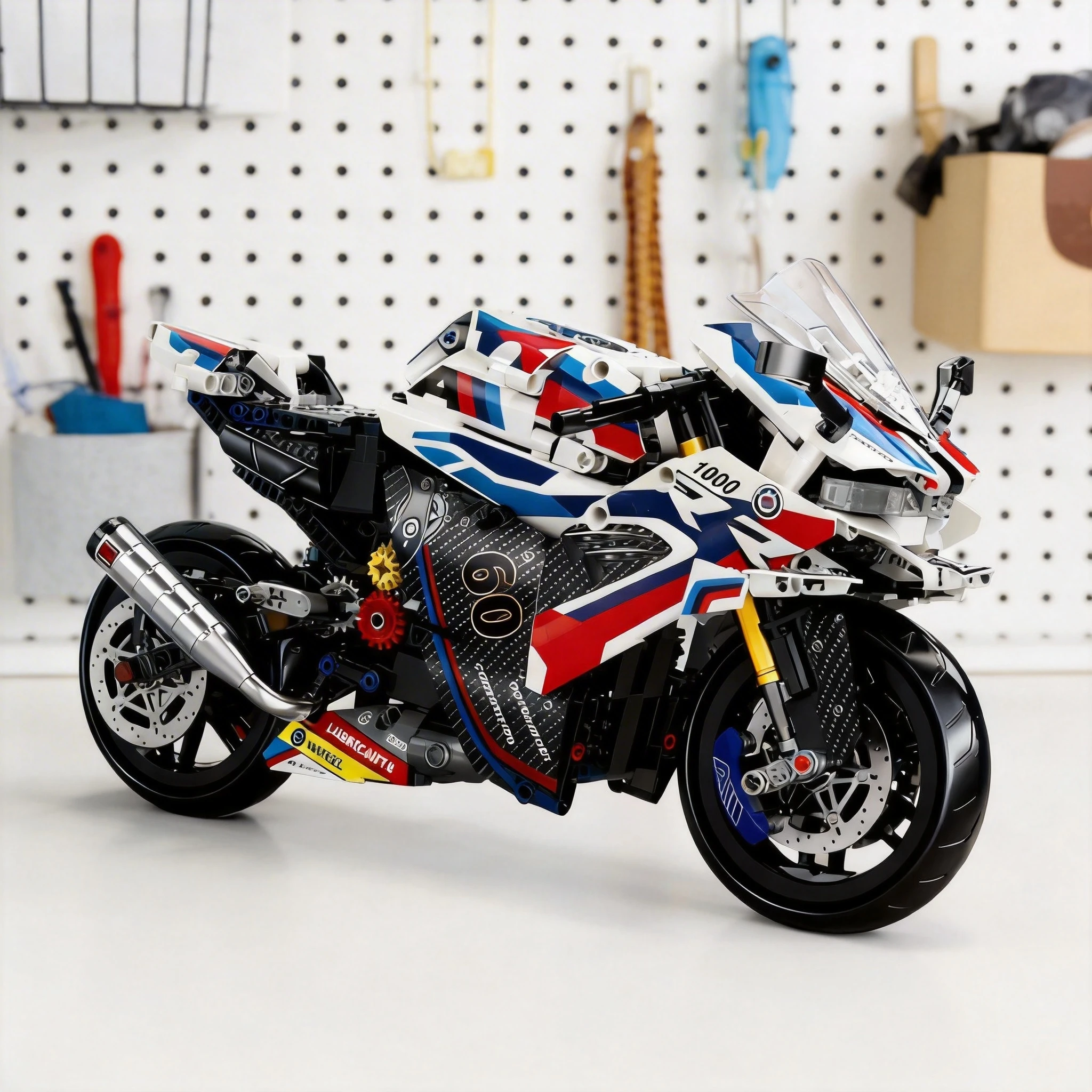
How to Build Custom MOCs: Complete Guide for Advanced Builders
Creating your own custom MOCs (My Own Creations) represents the pinnacle of building block artistry, transforming loose pieces into unique masterpieces that reflect your vision and engineering skills. Whether you're designing intricate vehicles, architectural marvels, or mechanical wonders, mastering the art of custom building requires strategic planning, advanced techniques, and the right foundation pieces.
How to build custom MOCs successfully involves four key phases: conceptual planning and design research, strategic piece selection and inventory management, systematic construction using advanced building techniques, and final refinement with details and functionality. Advanced builders who follow this structured approach create more stable, visually appealing, and technically sophisticated models while minimizing costly mistakes and piece shortages during construction.
Key Takeaways:
- Start with detailed planning and reference research before touching any pieces
- Build a diverse inventory focusing on versatile connection elements and specialized components
- Use advanced techniques like SNOT (Studs Not On Top) and internal framework construction
- Test structural integrity throughout the building process, not just at the end
- Document your process for future reference and sharing with the community
What Makes Custom MOC Building Different from Kit Assembly?
Custom MOC creation fundamentally differs from following instruction manuals because you're simultaneously the architect, engineer, and builder. Unlike predetermined kits, custom builds require you to solve structural challenges, manage piece limitations, and maintain aesthetic coherence without external guidance.
The complexity increases exponentially when working on large-scale projects. A premium 2500-piece engineering truck kit provides a roadmap, but custom builds of similar scale demand comprehensive planning to avoid structural failures or design inconsistencies midway through construction.
Advanced builders must also consider functionality from the outset. Will your creation include moving parts, motorized elements, or remote control capabilities? These decisions impact every aspect of your build, from internal framework design to piece selection and connection methods.
Essential Skills for Advanced MOC Building
Successful custom builders develop spatial reasoning abilities that allow them to visualize complex three-dimensional structures before construction begins. This skill proves invaluable when designing internal frameworks or planning how different sections will connect seamlessly.
Technical knowledge of building block physics becomes crucial for larger models. Understanding stress distribution, connection strength, and structural weak points prevents catastrophic failures during construction or display. Many builders learn these principles through trial and error, but studying engineering fundamentals accelerates the learning process significantly.
Planning Your Custom MOC Design Process
Effective MOC planning begins with thorough research and reference gathering. Professional builders often spend weeks studying real-world counterparts, analyzing proportions, and identifying key design elements before selecting their first piece. This research phase prevents major design revisions later in the construction process.
Create detailed sketches or digital models using specialized software like LEGO Digital Designer or Stud.io. These tools allow you to experiment with different approaches, calculate piece requirements, and identify potential structural issues before committing to physical construction. Digital planning also helps visualize complex internal mechanisms or motorized components.
Establish clear project scope and limitations early in the planning phase. Will your model prioritize accuracy, functionality, or display appeal? Understanding these priorities guides decision-making throughout the construction process and prevents feature creep that can derail ambitious projects.
Reference Research and Scale Considerations
Accurate scale calculation ensures your finished model maintains proper proportions across all elements. Many builders use the minifigure as a baseline reference, but vehicle models often require different scaling approaches depending on intended use and available space for display.
Study multiple angles and perspectives of your reference subject. Technical drawings, cutaway diagrams, and detailed photographs reveal construction details that influence your building approach. For automotive projects, engine bay layouts, suspension geometry, and interior details all impact your building strategy.
Advanced Piece Selection and Inventory Management
Building an effective piece inventory requires strategic thinking beyond simply accumulating large quantities of basic bricks. Advanced builders focus on versatile connection elements, specialized components, and pieces that enable complex geometries or mechanical functions.
Prioritize pieces that offer multiple connection points or enable advanced building techniques. Technic beams, connector pins, and specialized brackets prove invaluable for internal frameworks and mechanical assemblies. Similarly, slope pieces, curved elements, and specialized automotive components enable smooth, realistic exterior surfaces.
Consider investing in premium kits that provide high-quality specialized pieces for future projects. A motorized V8 engine kit not only serves as an impressive standalone model but also provides mechanical components, gears, and specialized pieces for future automotive MOCs.
Color Strategy and Aesthetic Planning
Develop a coherent color palette early in your planning process. Professional builders often limit themselves to 3-4 primary colors to maintain visual coherence, using accent colors sparingly for details or highlights. This approach creates more sophisticated, realistic-looking models compared to rainbow-colored builds.
Consider piece availability when selecting colors. While bright, unusual colors might seem appealing, limited availability can halt construction progress or force expensive piece purchases. Neutral colors like black, white, and various grays offer maximum versatility and availability across piece types.
Construction Techniques for Professional Results
Advanced MOC construction relies heavily on internal framework techniques that provide structural integrity while maintaining clean exterior surfaces. Professional builders construct robust internal skeletons using Technic beams and connectors, then build exterior surfaces around this framework.
Master SNOT (Studs Not On Top) building techniques to create smooth, realistic surfaces. These methods involve rotating pieces to hide connection studs, creating seamless exterior surfaces that mimic real-world textures and curves. SNOT techniques prove especially valuable for automotive models and architectural projects.
Implement modular construction approaches for large projects. Breaking complex builds into manageable sections allows for easier troubleshooting, transportation, and storage. Modular design also enables collaborative building efforts or future modifications without complete reconstruction.
Structural Engineering Principles
Understanding load distribution prevents structural failures in large or complex models. Identify stress points where weight concentrates and reinforce these areas with additional connections or stronger pieces. Cantilevers, overhangs, and unsupported sections require careful engineering to maintain stability.
Test structural integrity throughout construction, not just upon completion. Regular stress testing identifies weak points early when modifications remain relatively simple. This approach prevents discovering structural issues after investing significant time in detailed exterior work.
Motorization and Advanced Functionality
Integrating motorized elements requires careful planning of internal space allocation and power distribution. Professional builders design motor placement and gear trains during initial planning phases, ensuring adequate space for mechanical components without compromising structural integrity.
Study existing motorized models to understand effective gear ratios, power transmission methods, and control systems. A Mercedes V8 engine motorized kit demonstrates professional-grade mechanical integration that can inspire your custom designs.
Consider remote control capabilities for vehicle models. RC integration adds complexity but dramatically increases play value and demonstration potential. Plan battery placement, receiver mounting, and control linkages during initial design phases to avoid structural compromises later.
Testing and Refinement Process
Implement systematic testing procedures for motorized functions. Test individual mechanisms before integrating them into complete assemblies. This approach simplifies troubleshooting and prevents damage to completed sections during debugging processes.
Document successful mechanical solutions for future reference. Photograph effective gear trains, connection methods, and mounting solutions. This documentation accelerates future project development and helps share knowledge with the building community.
Finishing Touches and Detail Work
Professional-quality MOCs distinguish themselves through thoughtful detail work and finishing touches. These elements transform technically sound builds into visually striking masterpieces that capture attention and admiration from viewers.
Focus on details that enhance realism without overwhelming the overall design. Automotive models benefit from accurate wheel designs, realistic lighting elements, and proper interior details. Architectural models require attention to window treatments, surface textures, and proportional elements.
Consider display and photography requirements during finishing phases. Models intended for photography benefit from different detail approaches compared to hands-on display pieces. Lighting considerations, viewing angles, and background compatibility all influence finishing decisions.
Community Sharing and Documentation
Document your building process through photographs and notes. This documentation serves multiple purposes: personal reference for future projects, sharing knowledge with the community, and creating content for social media or building forums.
Participate in online communities where builders share techniques, troubleshoot problems, and showcase completed projects. These communities provide valuable feedback, inspiration for future projects, and connections with other advanced builders worldwide.
Ready to Start Your Next Custom MOC Project?
Learning how to build custom MOCs transforms your building experience from following instructions to creating original masterpieces that reflect your unique vision and technical skills. The techniques and strategies outlined in this guide provide the foundation for tackling ambitious projects with confidence and achieving professional-quality results.
Success in custom building comes from combining careful planning, advanced techniques, and quality components. Whether you're designing your first custom vehicle or planning an architectural masterpiece, having access to premium pieces and specialized components makes the difference between good builds and exceptional creations.
Explore our complete collection of premium building kits and specialized components to stock your workshop with the pieces needed for your next custom creation. From motorized elements and technical components to specialized automotive parts and architectural details, we provide the foundation pieces that enable ambitious MOC projects.
Shop products from this guide
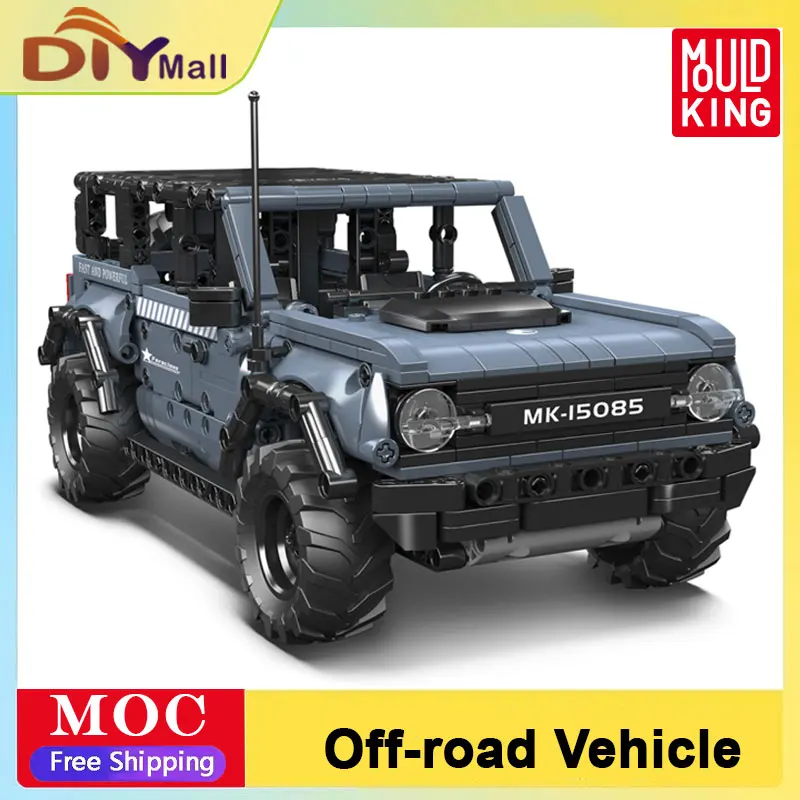
BrickForge SUV Off-Road Truck - 1200+ Piece Premium Kit
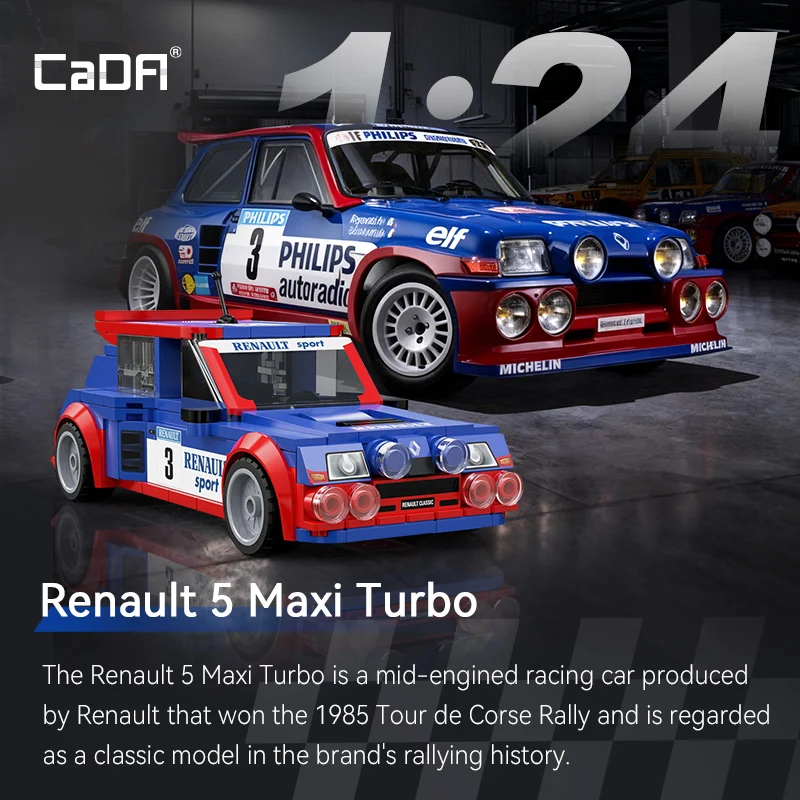
CaDA 1:24 Renault Sports Car Mystery Pack - Premium Model
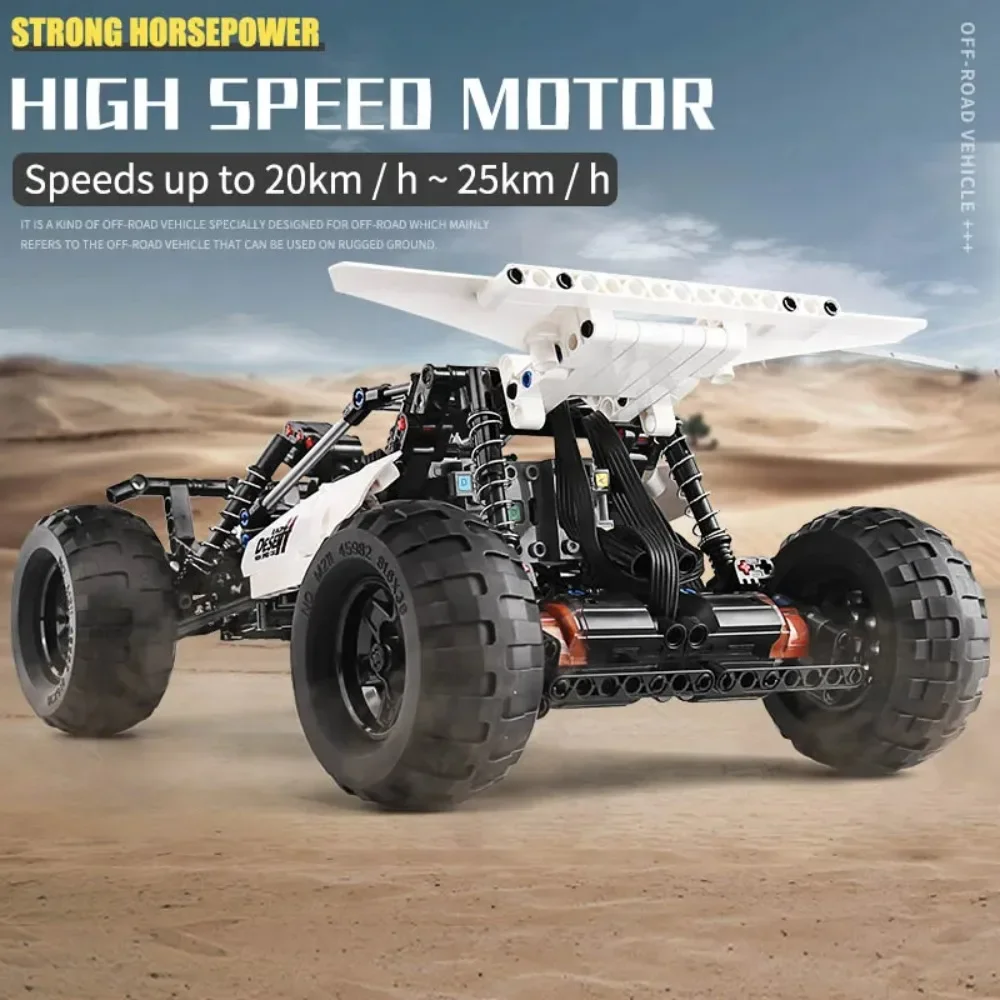
Mould King 18001 Desert Racing Buggy RC - 394 Pieces
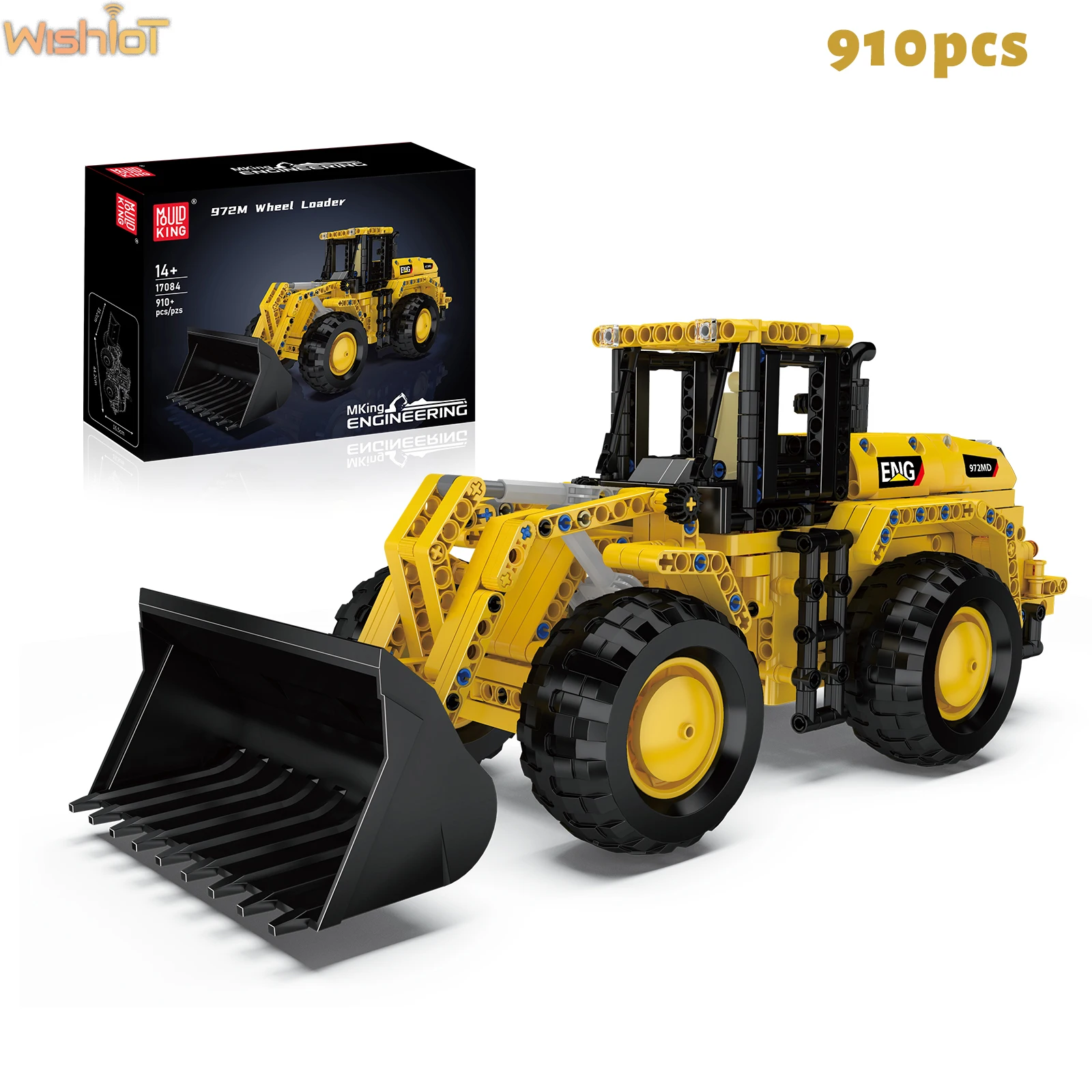
Mould King 17084 Wheel Loader - 972 Piece Premium Set
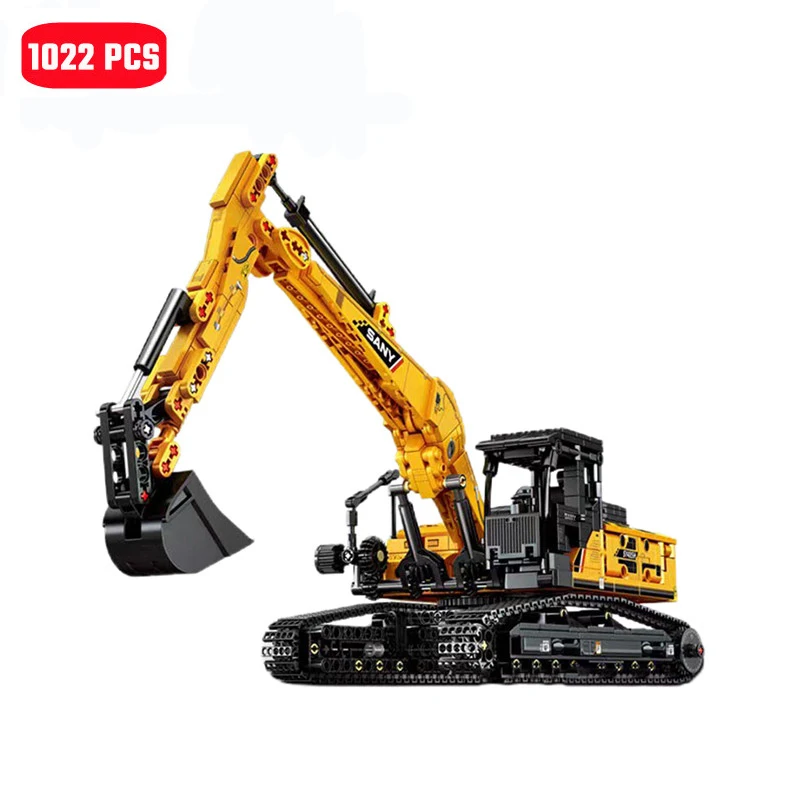
SEMBO 1022pcs Excavator MOC Building Set - Premium Quality