Building Block Military Vehicles: Complete Guide to Tank & Aircraft Models
Building block military vehicles have become one of the most popular and challenging categories in the construction toy world. These detailed models offer builders the chance to recreate iconic tanks, aircraft, and military machinery with impressive accuracy and functionality.
Building block military vehicles combine historical accuracy with engineering complexity, requiring advanced building techniques and attention to detail. The best military vehicle kits feature working components like rotating turrets, movable tracks, functional landing gear, and realistic weapon systems. These models range from beginner-friendly sets with 200-300 pieces to expert-level builds with over 2,000 components that can take weeks to complete.
Key Takeaways:
- Military vehicle kits range from simple 200-piece models to complex 2,000+ piece builds
- Advanced sets feature working components like rotating turrets and functional tracks
- Popular categories include WWII tanks, modern aircraft, and armored vehicles
- Quality kits use premium ABS plastic and include detailed instruction manuals
- RC (remote control) military vehicles add motorized functionality for dynamic play
What Makes the Best Military Vehicle Building Block Sets?
The finest military vehicle building sets distinguish themselves through several key characteristics that separate premium models from basic alternatives. First and foremost, historical accuracy plays a crucial role—the best sets are meticulously researched to ensure proper proportions, authentic color schemes, and accurate detailing that reflects real military vehicles.
Premium sets also incorporate functional elements that bring the models to life. These might include rotating turrets on tank models, retractable landing gear on aircraft, opening hatches, or movable gun barrels. The engineering behind these features requires sophisticated part design and precise tolerances to ensure smooth operation.
Build quality represents another critical factor. Top-tier manufacturers use high-grade ABS plastic that provides excellent clutch power—the ability for pieces to stay firmly connected while still allowing for disassembly when needed. The plastic should have a consistent finish and precise molding that eliminates gaps between connected pieces.
Instruction clarity cannot be overlooked, especially for complex military builds. The best sets include comprehensive manuals with clear step-by-step illustrations, parts inventories, and sometimes even historical information about the vehicle being constructed.
Tank Models: From WWII Classics to Modern Armor
Tank building block sets represent perhaps the most popular category within military vehicle construction. These models appeal to history enthusiasts and engineering fans alike, offering the perfect blend of historical significance and mechanical complexity.
World War II tank models remain perennial favorites, with iconic designs like the German Tiger I, Soviet T-34, and American Sherman tank leading the market. These sets typically feature working track systems, rotating turrets, and elevating main guns. Advanced builders often appreciate the challenge of constructing realistic suspension systems and detailed interior components.
Modern tank models push the boundaries of building block engineering even further. Contemporary designs like the M1 Abrams or Leopard 2 incorporate more sophisticated armor angles, complex turret designs, and additional functional elements like commander cupolas and reactive armor tiles.
The construction techniques for tank models often involve advanced building methods such as SNOT (Studs Not On Top) building, which creates smooth surfaces that better replicate the appearance of real armor plating. Builders learn to use specialized pieces like slopes, curves, and angled elements to achieve authentic tank silhouettes.
Aircraft Building Kits: Jets, Helicopters, and Historic Warbirds
Aircraft building block sets present unique challenges that differ significantly from ground vehicle construction. The need to create sleek, aerodynamic profiles while maintaining structural integrity requires careful part selection and innovative building techniques.
Fighter jet models typically focus on accurate proportions and clean lines that capture the essence of high-performance military aircraft. Popular subjects include the F-16 Fighting Falcon, F-22 Raptor, and classic designs like the P-51 Mustang. These sets often feature retractable landing gear, opening cockpits, and movable control surfaces.
Helicopter models present their own set of challenges, particularly in creating realistic rotor systems. Advanced sets include functional main rotors that can spin freely, detailed cockpit interiors, and accurate fuselage shaping. Military helicopter models like the Apache attack helicopter or Black Hawk transport offer builders the chance to construct complex multi-rotor systems and detailed weapon loadouts.
Large-scale aircraft builds often incorporate thousands of pieces and can span several feet in length. These premium sets might include detailed engine components, realistic landing gear mechanisms, and even lighting systems that illuminate cockpit displays and navigation lights.
Advanced Building Techniques for Military Models
Constructing realistic military vehicles requires mastering several advanced building techniques that go beyond basic brick stacking. Understanding these methods is essential for achieving professional-looking results that accurately represent real military hardware.
Slope integration represents one of the most important skills for military model building. Real military vehicles feature numerous angled surfaces for armor effectiveness and aerodynamics. Learning to incorporate slope pieces seamlessly into builds creates more authentic-looking models and eliminates the "blocky" appearance common in beginner constructions.
Gearing systems become crucial when building functional elements like rotating turrets or spinning propellers. Understanding gear ratios allows builders to create smooth, realistic movement in their models. Many advanced sets include multiple gear types, from simple spur gears to complex planetary gear systems that provide different speed reductions.
Color blocking techniques help achieve accurate military paint schemes. Real military vehicles often feature complex camouflage patterns or multiple color zones that require careful planning to recreate in building blocks. Advanced builders learn to use different colored pieces strategically to create realistic paint patterns without relying on stickers.
Structural engineering becomes particularly important in larger military models. Understanding how to distribute weight, create strong connection points, and build internal frameworks ensures that completed models remain stable and durable during handling and display.
Remote Control Military Vehicles: Adding Motorized Action
The integration of remote control technology has revolutionized building block military vehicles, transforming static display models into dynamic, interactive experiences. RC military vehicle kits combine the satisfaction of construction with the excitement of motorized operation.
Tank RC systems typically include drive motors for track movement and servo motors for turret rotation. Advanced sets might feature multiple drive motors for independent track control, allowing for realistic tank steering and maneuvering. The RC engineering truck building kit demonstrates how motorized components can enhance the building experience with functional hydraulic systems and realistic operation.
Aircraft RC models present unique challenges due to weight distribution and control complexity. Most building block RC aircraft are designed for ground operation rather than flight, focusing on realistic taxiing movements, spinning propellers, and functional landing gear. However, some larger models do achieve limited flight capability with careful engineering and powerful motor systems.
The electronic components in RC military vehicle kits typically include a main control unit, battery pack, motors, and remote control transmitter. Quality sets use reliable 2.4GHz radio systems that provide good range and interference resistance. Battery life varies depending on model complexity, but most sets provide 20-45 minutes of continuous operation per charge.
Programming features in advanced RC military vehicles allow for realistic operation modes. Some tank models include different speed settings, programmable movement patterns, and even sound effects that simulate engine noise and weapon systems.
Choosing the Right Military Vehicle Kit for Your Skill Level
Selecting an appropriate military vehicle building set requires honest assessment of your current building skills and available time commitment. The complexity range in military vehicle kits spans from simple 200-piece models suitable for beginners to expert-level builds with 3,000+ pieces that challenge even experienced builders.
Beginner builders should start with smaller tank or aircraft models that focus on basic construction techniques. These sets typically feature 300-800 pieces and include clear, step-by-step instructions that introduce fundamental building concepts. Simple functional elements like rotating turrets or opening cockpits provide satisfaction without overwhelming complexity.
Intermediate builders can tackle more complex models with advanced functional elements. These might include multi-speed gearboxes, sophisticated suspension systems, or detailed interior components. The RC motorized off-road car kit offers an excellent stepping stone to more complex military vehicle builds while providing valuable experience with motorized components.
Expert-level military vehicle kits often feature thousands of pieces, complex mechanical systems, and require weeks or months to complete. These sets might include fully detailed interiors, working hydraulic systems, or sophisticated RC control systems. The engineering challenges in these builds rival those found in real vehicle design.
Time commitment varies significantly between different complexity levels. Simple military vehicle kits might require 2-4 hours to complete, while complex models can demand 20-40 hours of focused building time. Consider your available time and patience level when selecting a kit to ensure a satisfying building experience.
Maintenance and Display Tips for Military Vehicle Models
Proper maintenance and display techniques ensure that completed military vehicle models remain impressive and functional for years to come. These detailed builds represent significant time investments that deserve appropriate care and presentation.
Dust prevention represents the primary maintenance challenge for display models. Military vehicle builds often feature numerous small details and recessed areas that collect dust over time. Regular gentle cleaning with soft brushes or compressed air helps maintain the model's appearance. Some builders use display cases or protective covers to minimize dust accumulation.
Structural integrity requires periodic attention, especially for models with moving parts. Connection points can loosen over time due to temperature changes or handling. Regular inspection and gentle tightening of key connections prevents unexpected disassembly and maintains smooth operation of functional elements.
Display positioning affects both visual impact and model longevity. Military vehicle models benefit from elevated display positions that showcase their details and proportions. Rotating display stands allow viewers to appreciate all angles of complex builds. Proper lighting enhances the model's appearance and highlights construction details.
For RC military vehicles, battery maintenance becomes crucial for long-term functionality. Proper charging cycles, storage procedures, and periodic battery replacement ensure reliable operation. Electronic components should be protected from moisture and extreme temperatures to maintain functionality.
Documentation of the building process through photos can be valuable for maintenance and potential rebuilding. Many builders create photo journals of their construction process, which proves helpful when disassembling and rebuilding sections for maintenance or modification.
Start Your Military Vehicle Building Journey Today
Building block military vehicles offer an engaging combination of historical education, engineering challenge, and creative satisfaction that appeals to builders of all skill levels. Whether you're drawn to the mechanical complexity of tank models, the sleek engineering of aircraft builds, or the interactive excitement of RC military vehicles, there's a perfect kit waiting to challenge your building skills.
The key to success in military vehicle building lies in starting with an appropriate difficulty level and gradually advancing to more complex models as your skills develop. Each completed build teaches valuable techniques and provides experience that enhances future projects. The attention to detail and engineering precision required for quality military vehicle models develops skills that transfer to all areas of building block construction.
Ready to begin your military vehicle building adventure? Explore our comprehensive collection of premium building block kits featuring everything from beginner-friendly tank models to expert-level RC military vehicles. Each kit includes high-quality components, detailed instructions, and the engineering challenges that make building block military vehicles such a rewarding hobby.
Shop products from this guide
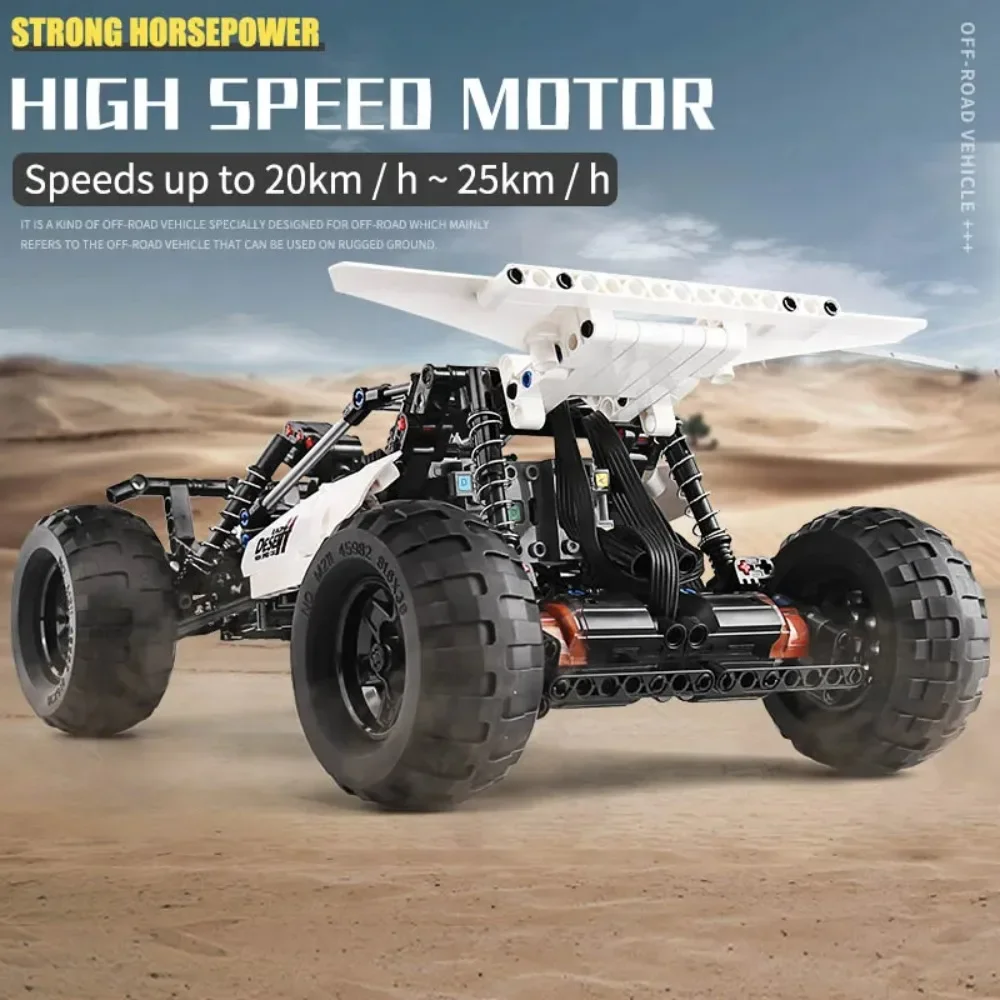
Mould King 18001 Desert Racing Buggy RC - 394 Pieces
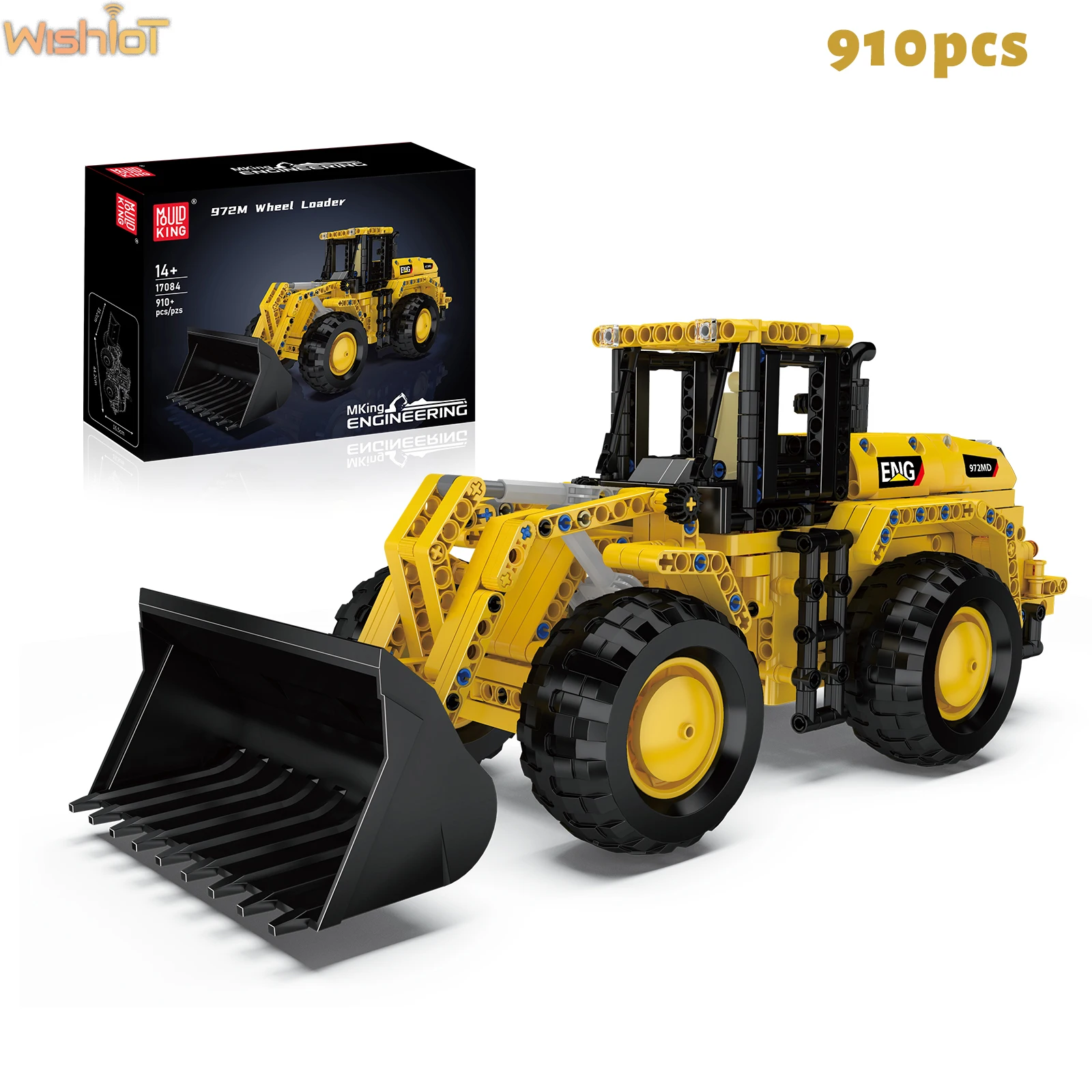
Mould King 17084 Wheel Loader - 972 Piece Premium Set
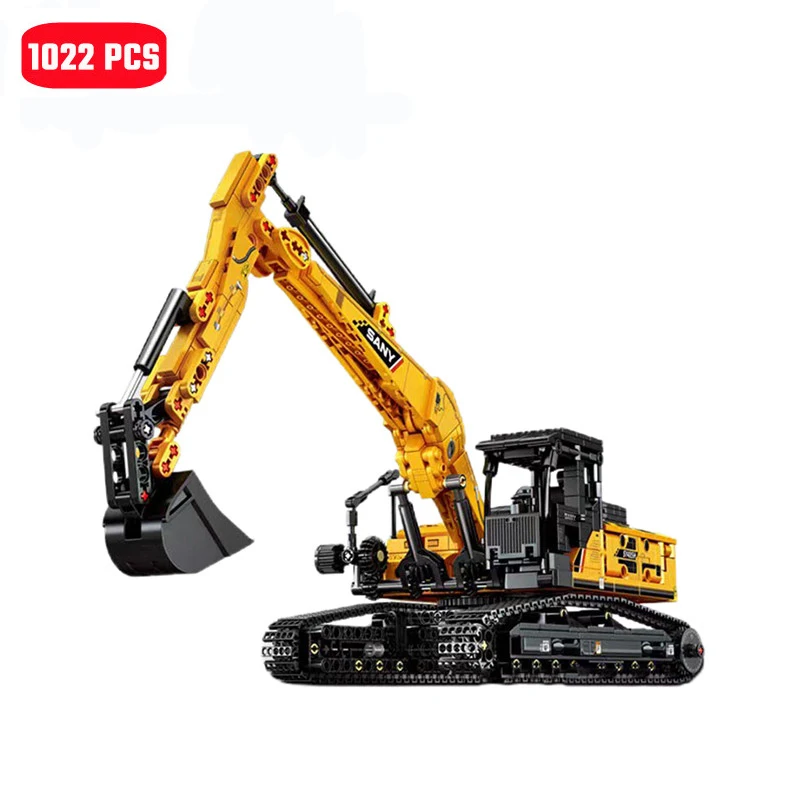
SEMBO 1022pcs Excavator MOC Building Set - Premium Quality
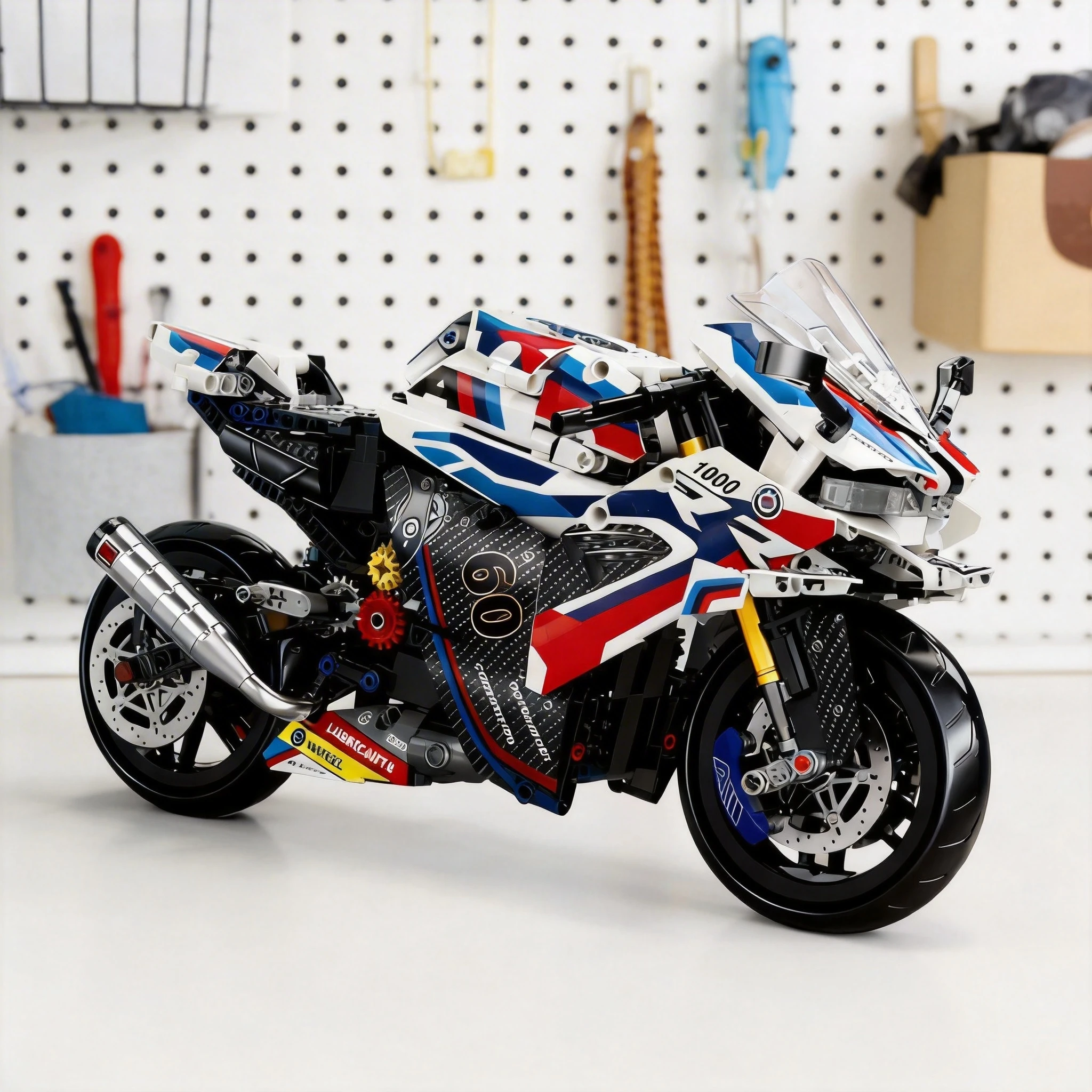
BrickForge 1:8 Motorcycle Building Block Kit - Technical Model
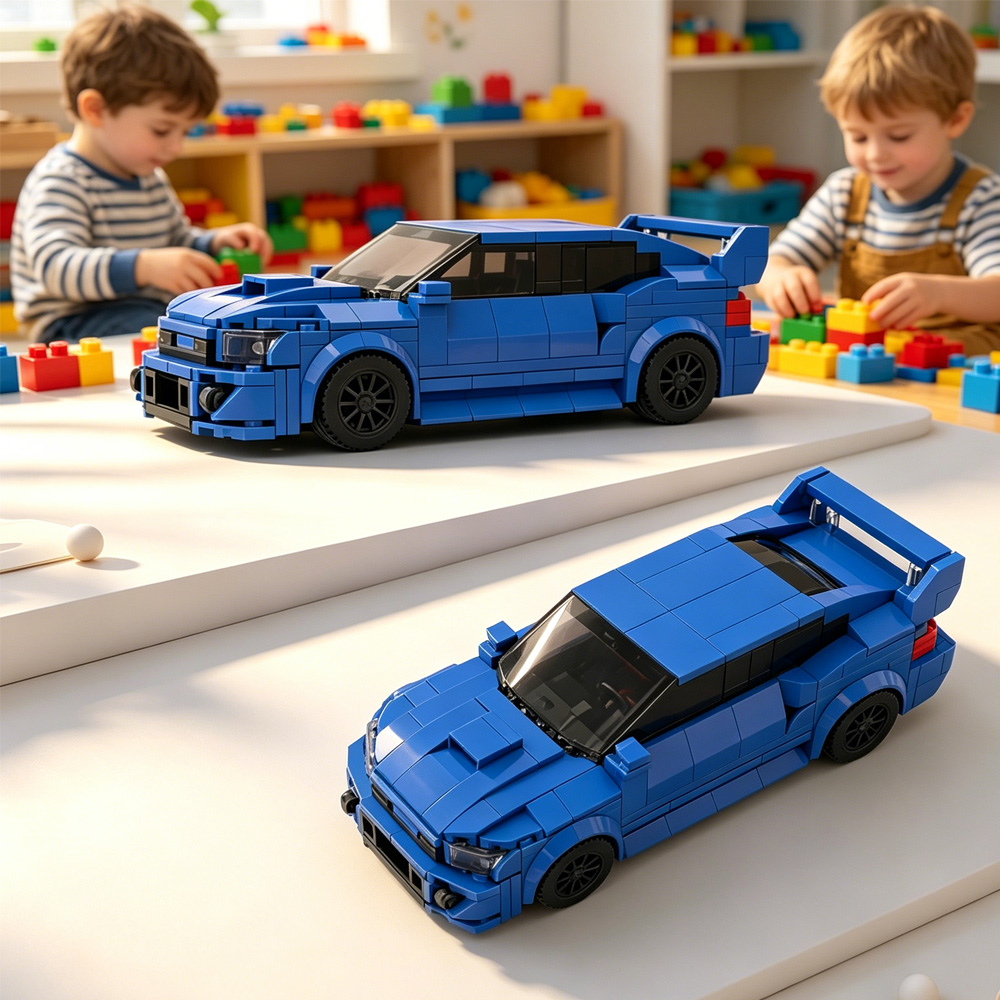
BrickForge JDM Rally Sports Sedan — 303-Piece Building Block Kit