Building Block Lighting Kits: Complete LED Upgrade Guide 2024
Transform your premium building block models from static displays into illuminated masterpieces with the right LED lighting system. Building block lighting kits have revolutionized how enthusiasts showcase their detailed constructions, bringing life to everything from vintage cars to complex engine models with realistic lighting effects that highlight every intricate detail.
Building block lighting kits are specialized LED systems designed to integrate seamlessly with popular building block brands, featuring thin copper wire circuits, battery packs, and various LED components that can be threaded through and around your models without compromising structural integrity. These kits typically include warm white LEDs for general illumination, colored LEDs for specific effects, and control modules that enable multiple lighting patterns and brightness levels.
Key Takeaways:
- LED lighting kits enhance display value and showcase model details
- Battery-powered systems offer flexibility without permanent modifications
- Proper planning during build prevents installation complications
- Quality kits include multiple LED types and control options
- Installation difficulty varies from beginner to advanced depending on model complexity
What Are Building Block Lighting Kits and How Do They Work?
Building block lighting kits consist of ultra-thin LED strips, individual LED units, copper wire circuits, and battery packs specifically engineered for integration with building block models. Unlike traditional lighting solutions, these systems use hair-thin wires that can be routed through existing gaps in your construction without requiring modifications to the original design.
The core components include a central control unit that manages power distribution, various LED types (spot lights, strip lights, and effect lights), connecting wires with micro-connectors, and rechargeable or replaceable battery packs. Advanced kits feature programmable controllers that allow you to create custom lighting sequences, adjust brightness levels, and even sync lighting effects with sound or motion sensors.
Modern lighting systems utilize low-voltage DC power (typically 3-12V) making them safe for handling and installation. The LEDs themselves generate minimal heat, preventing damage to plastic components while providing bright, consistent illumination that can run for hours on a single battery charge.
Choosing the Right LED Lighting System for Your Model
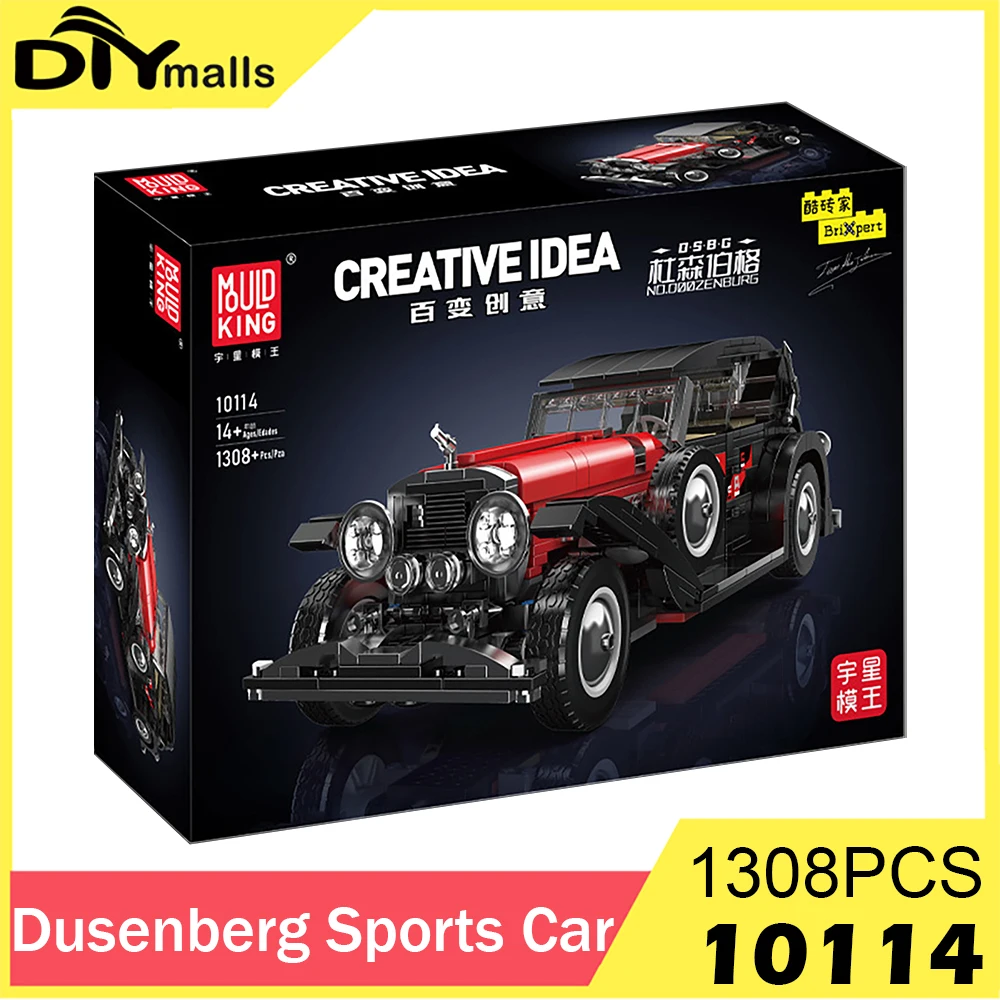
Selecting the appropriate lighting kit depends on your model's complexity, desired effects, and installation skill level. For automotive models like the Mould King Red Vintage Car, you'll want kits that include headlight and taillight effects, dashboard illumination, and possibly underglow lighting for dramatic display impact.
Consider the power requirements based on your planned LED count. Simple kits with 10-15 LEDs can run on standard AA batteries, while complex installations with 50+ lights may require rechargeable lithium battery packs. Calculate roughly 20mA per standard LED to determine your power needs and expected runtime.
For technical models such as engine builds, look for kits that offer both functional lighting (simulating operational indicators) and aesthetic lighting (highlighting mechanical details). The LSX454 V8 Engine Building Kit benefits from strategic LED placement that illuminates internal components and creates realistic engine bay lighting effects.
Expansion capability is crucial for serious builders. Choose systems with modular designs that allow adding components later, standardized connectors for easy modifications, and sufficient power capacity for future upgrades.
Step-by-Step Installation Guide for LED Upgrades
Successful lighting installation requires careful planning before you begin building your model. Start by studying the instruction manual and identifying optimal LED placement points, wire routing paths, and battery pack mounting locations. Mark these positions on your building plan to avoid conflicts during construction.
Phase 1: Pre-Installation Planning
- Inventory all lighting components and test functionality before installation
- Plan wire routing through internal spaces, avoiding moving parts and stress points
- Identify battery pack placement that maintains model stability and allows easy access
- Prepare necessary tools: small screwdrivers, wire strippers, electrical tape, and cable ties
Phase 2: Component Installation
- Install LEDs during construction, securing them with provided adhesive backing or mounting clips
- Route wires through internal channels, leaving slight slack to prevent tension damage
- Connect LED circuits to the control module following the manufacturer's wiring diagram
- Test each connection before proceeding to avoid troubleshooting completed sections
Phase 3: Final Assembly and Testing
- Secure all wiring with cable ties or adhesive clips to prevent interference with moving parts
- Install and connect the battery pack, ensuring proper polarity
- Perform comprehensive testing of all lighting functions and effects
- Document your installation with photos for future maintenance reference
For complex RC models like the Mould King RC Off-Road Car, coordinate lighting installation with motor and control system wiring to prevent interference and ensure reliable operation.
Advanced Lighting Effects and Customization Options
Premium lighting kits offer sophisticated effects that transform static models into dynamic displays. Sequential turn signals, pulsing brake lights, and realistic engine glow effects add authenticity to automotive builds. For aviation and technical models, rotating beacon lights, navigation strobes, and instrument panel backlighting create impressive operational simulations.
Programmable controllers enable custom lighting sequences tailored to your specific model. Create startup sequences that gradually illuminate different systems, idle patterns that simulate operational states, and shutdown routines that power down components in realistic order. Advanced controllers support smartphone app integration for remote control and effect customization.
Color-changing RGB LEDs expand creative possibilities beyond standard white and colored options. These components can cycle through color spectrums, respond to music, or change based on ambient conditions. For display models, RGB underglow and accent lighting creates dramatic visual impact while highlighting architectural details.
Sound-reactive lighting systems synchronize illumination with audio effects, perfect for engine models that include sound modules. The lights pulse and change intensity based on engine RPM simulation, creating immersive sensory experiences that bring mechanical models to life.
Troubleshooting Common LED Installation Issues
LED failure typically results from poor connections, voltage irregularities, or physical damage during installation. Start troubleshooting by checking battery voltage and connection security. Loose or corroded connections cause intermittent operation and can damage sensitive LED components over time.
Dimming or flickering lights often indicate insufficient power supply or voltage drop across long wire runs. Calculate total current draw and verify your battery pack meets requirements with adequate safety margin. For extended wire runs, consider using thicker gauge wire or installing voltage boosters at strategic points.
Overheating problems, while rare with quality LED systems, can occur with improper installation or inadequate ventilation. Ensure LEDs aren't covered by solid panels that trap heat, and avoid bundling multiple high-power LEDs in confined spaces without heat dissipation provisions.
Control system malfunctions require systematic diagnosis starting with basic functionality tests. Verify programming settings, check for software updates, and ensure all connections match the manufacturer's specifications. Keep original packaging and documentation for warranty support and replacement part ordering.
Maintenance and Long-Term Care for Lighting Systems
Regular maintenance ensures reliable operation and extends lighting system lifespan. Monthly inspections should include battery voltage checks, connection tightness verification, and LED functionality testing. Clean battery contacts with alcohol and fine abrasive to prevent corrosion buildup that causes power interruptions.
Battery maintenance varies by type but generally includes proper charging cycles for rechargeable units and timely replacement of disposable batteries before complete discharge. Store models with batteries removed if not displayed regularly to prevent damage from battery leakage or corrosion.
Wire management requires periodic attention, especially on models with moving parts. Check for wire chafing, stress points, and connection loosening caused by vibration or handling. Secure loose wires with additional cable ties and replace any showing signs of insulation damage.
Software updates for programmable controllers often include bug fixes, new effects, and improved compatibility. Check manufacturer websites quarterly for firmware updates and new features that enhance your lighting system's capabilities.
Where to Find Quality Building Block Lighting Kits
Quality lighting kits are essential for successful installations and long-term reliability. Look for suppliers that specialize in building block accessories and offer comprehensive technical support, warranty coverage, and replacement parts availability.
When evaluating potential kits, examine component quality, instruction clarity, and customer reviews from builders with similar projects. Premium kits include detailed installation guides, quality components rated for extended use, and responsive customer support for technical questions.
Consider the total cost of ownership including batteries, potential expansion components, and replacement parts. While premium kits cost more initially, they typically offer better reliability, more features, and longer service life than budget alternatives.
BrickForge offers an extensive selection of premium building block models perfect for lighting upgrades, from detailed luxury vehicle replicas to complex technical models that showcase LED lighting beautifully.
Ready to illuminate your building block collection? Explore our complete range of premium building kits designed for lighting integration and discover how LED upgrades can transform your models into stunning display pieces that capture attention and showcase your building expertise.
Shop products from this guide
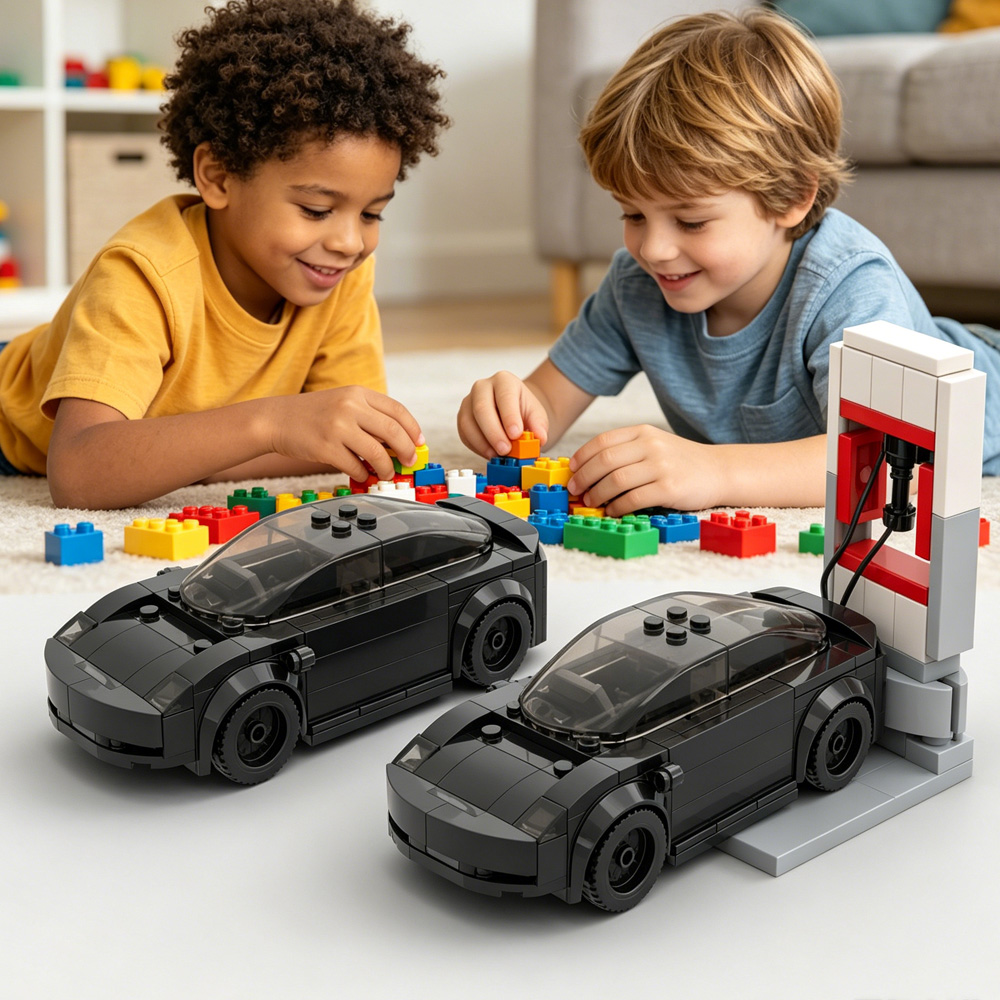
BrickForge Electric Sports Car — 185-Piece EV Building Block Kit with Charger
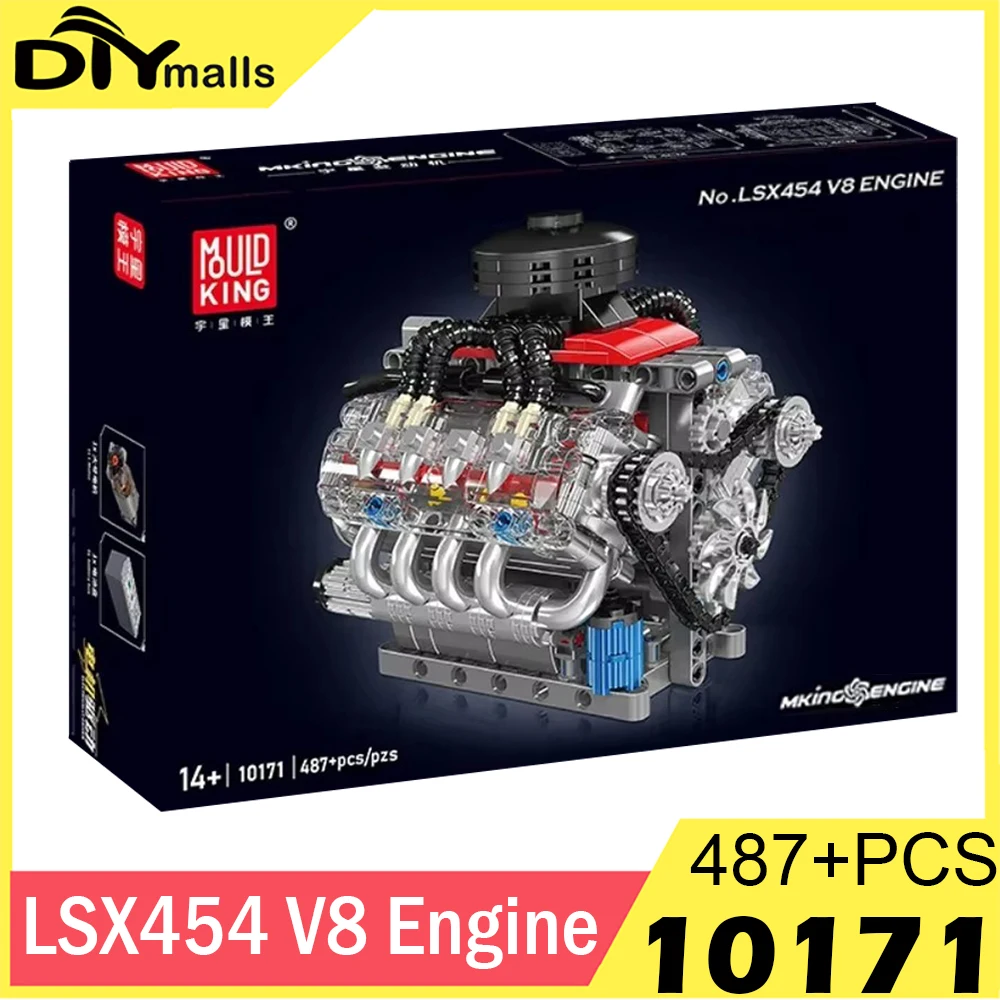
Motorized LSX454 V8 Engine Model - 787 Pieces | BrickForge
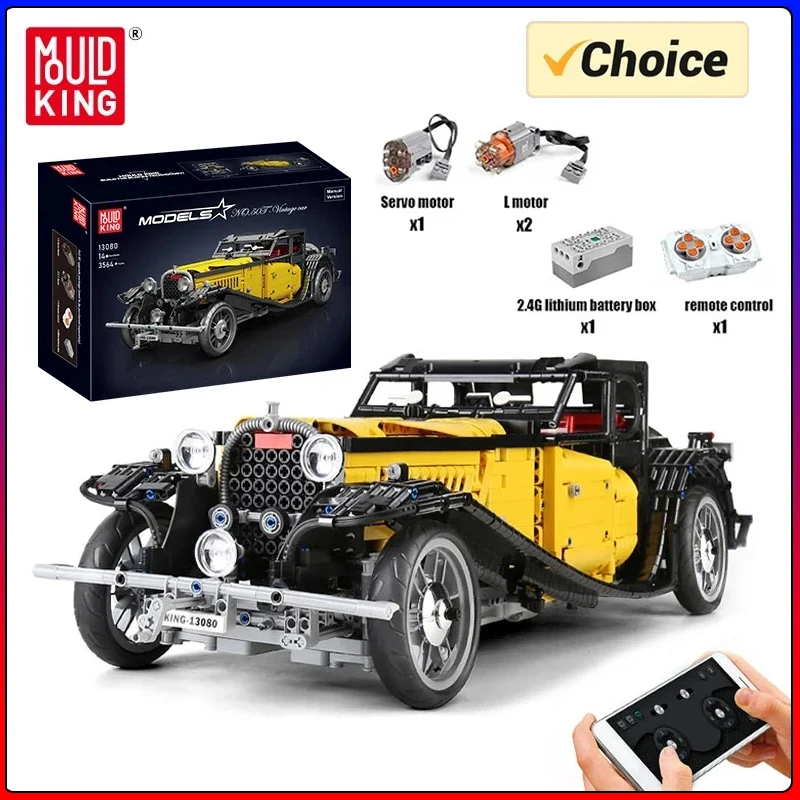
Mould King 13080S T50 Vintage Car 1:8 Scale - 3200+ Pieces
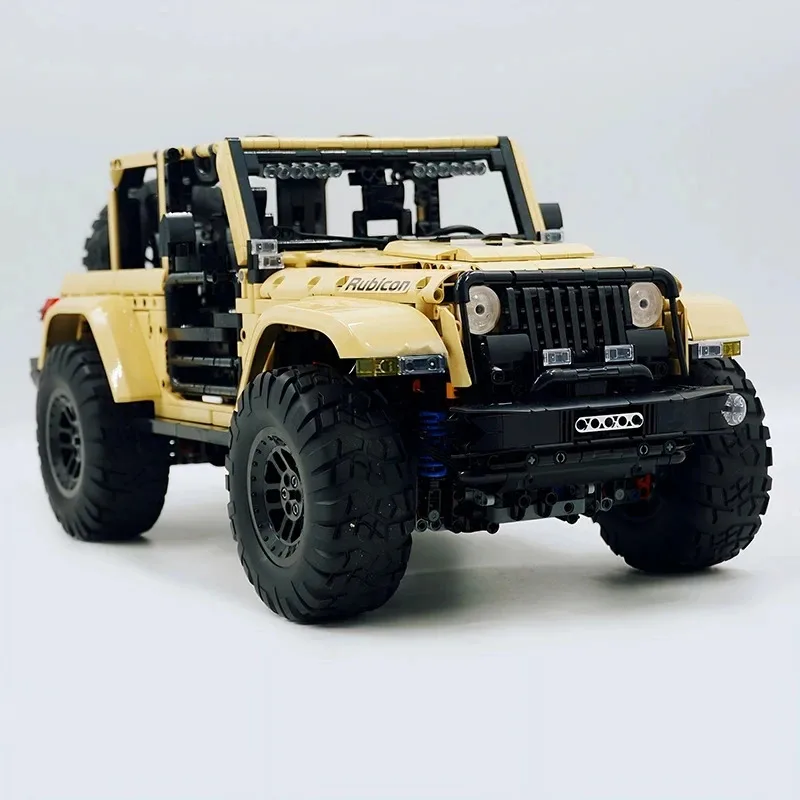
Mould King 13184 RC Off-Road Car - 3000+ Pieces 4WD Kit
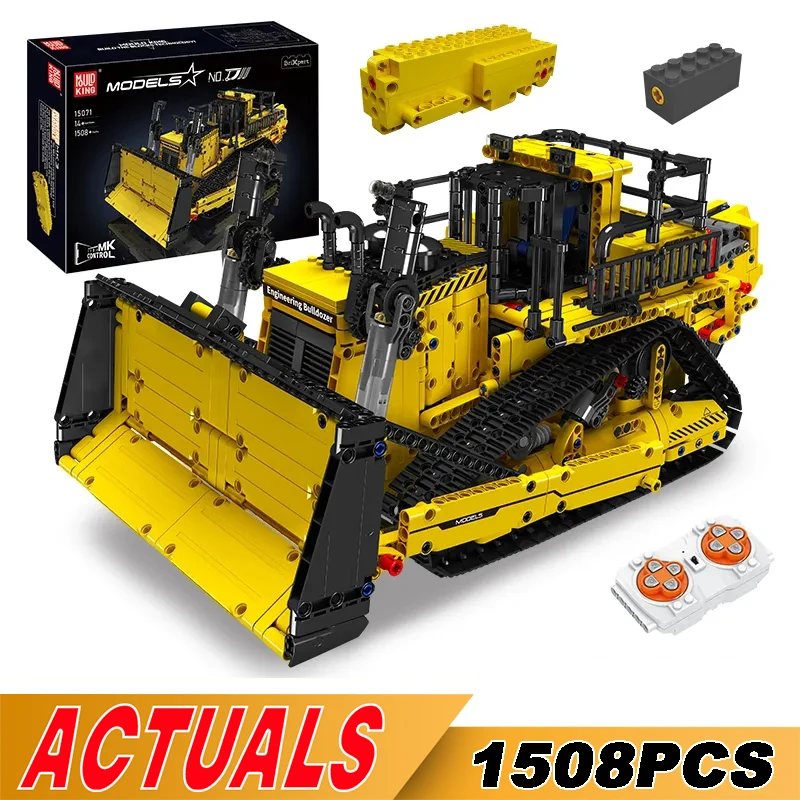
Mould King 15084 RC Engineering Truck - 2500+ Pieces